
Top pickAsk clinician
Toileting6 retailers
Acute Coverage possible
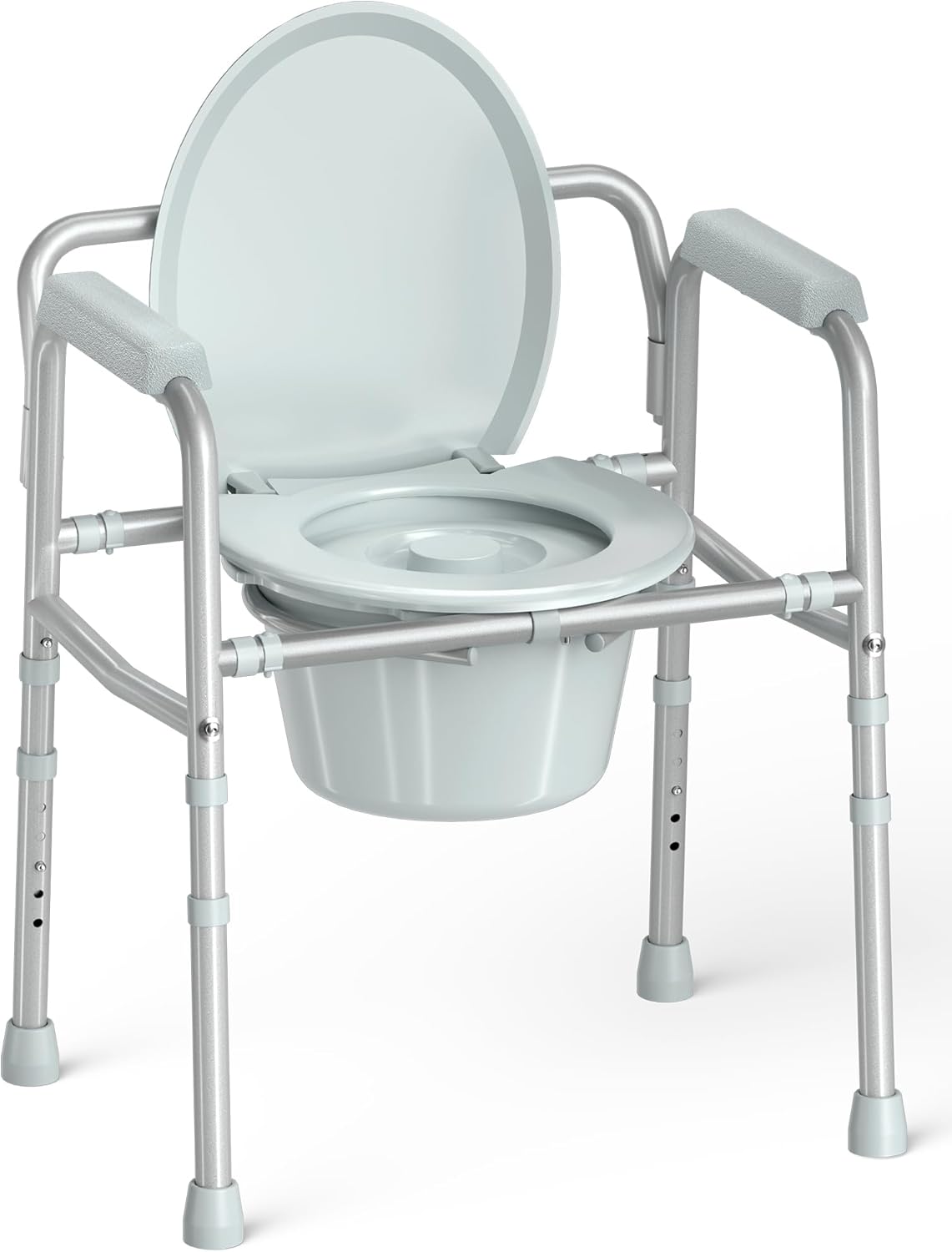
3-in-1 Commode (Bedside, Over-Toilet, Shower)One chair for versatile use: beside the bed, over the toilet, or as a shower chair.
- Balance & fall prevention
- Reducing fall risk at home
About $3,200 if bought separately (items vary)
Shop this pack →Essentials for a safe return home
Topics: First 72 Hours Home · Essentials for a safe return home · first-72-hours · stroke recovery pack · curated bundle · $150-300 · 88 items
Showing 88 of 88 items
One chair for versatile use: beside the bed, over the toilet, or as a shower chair.
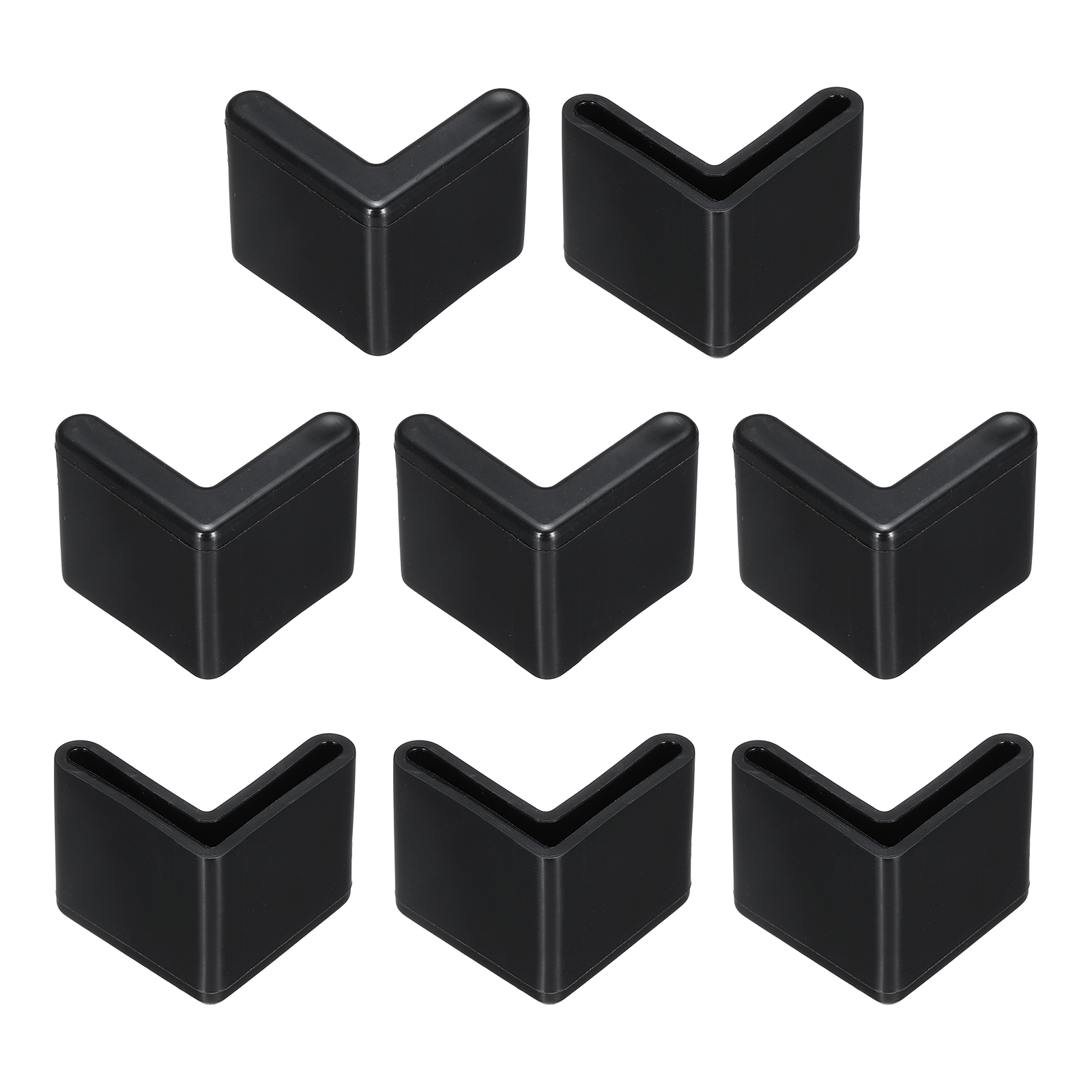
Caps or socks for metal bed frame feet that scratch floors and slide.
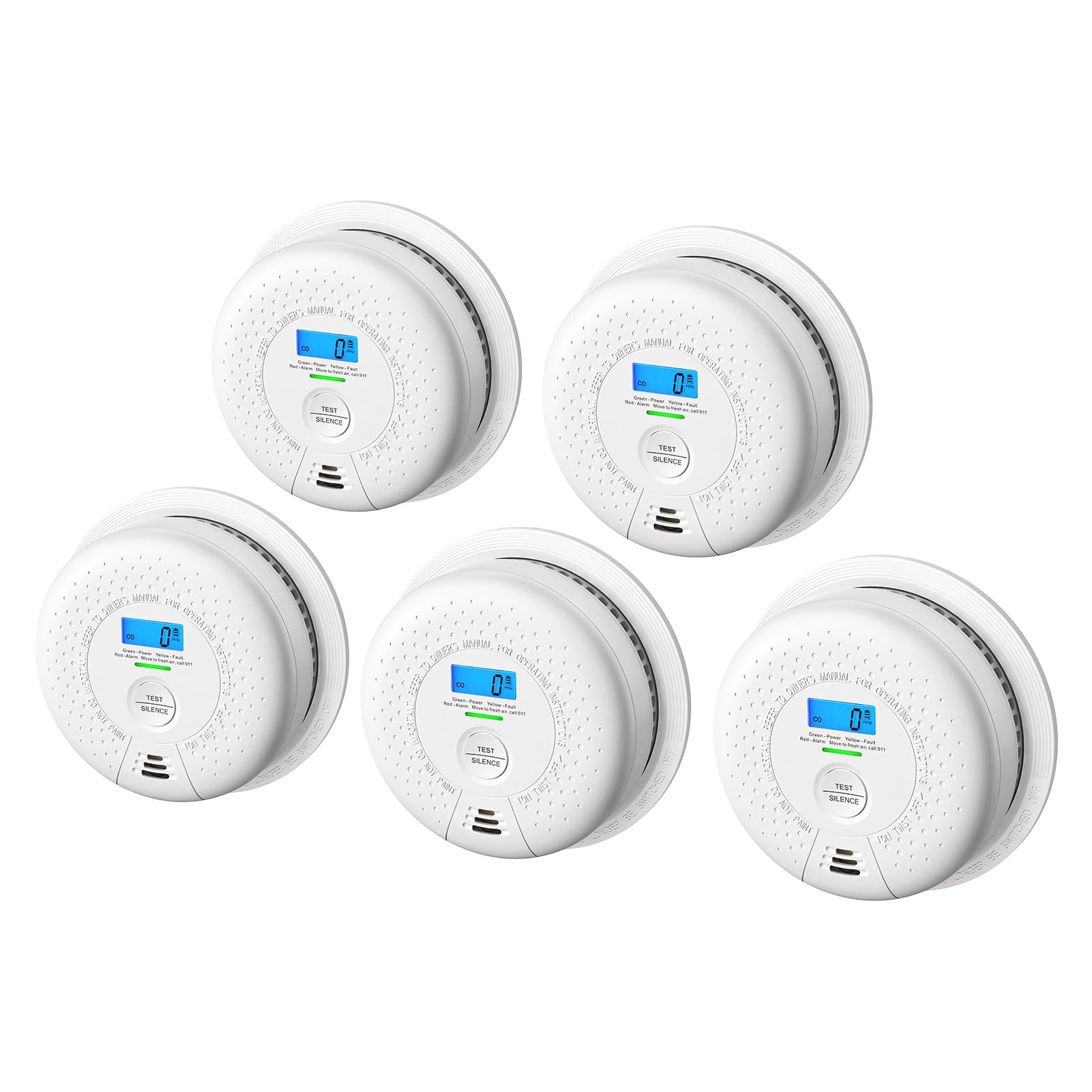
CO alarm with digital ppm readout and battery backup.
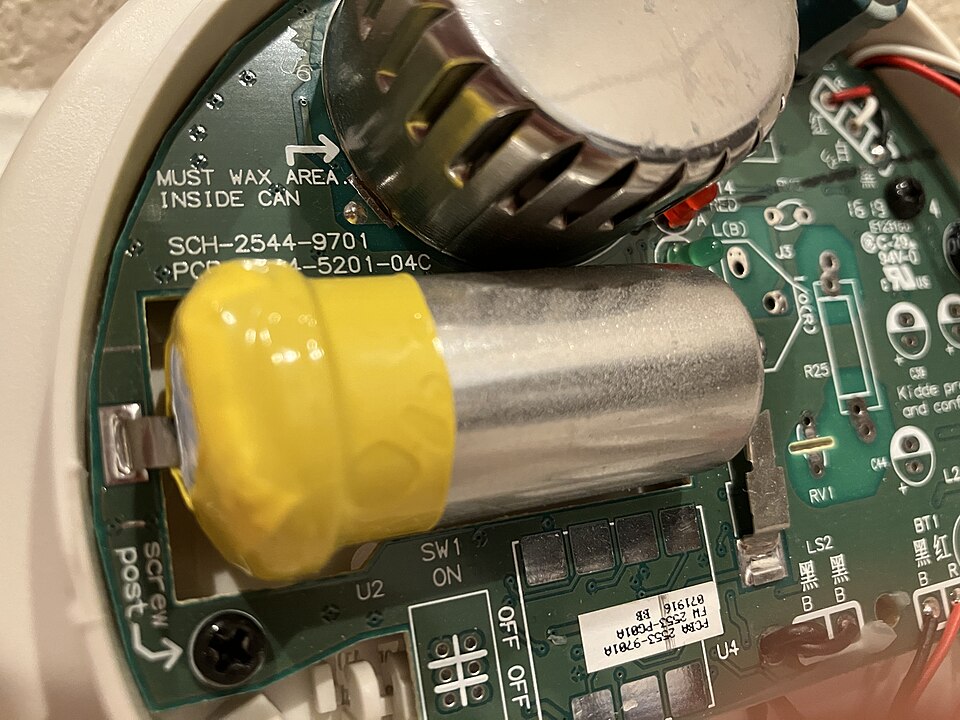
Single unit detects smoke and carbon monoxide — fewer batteries to change.
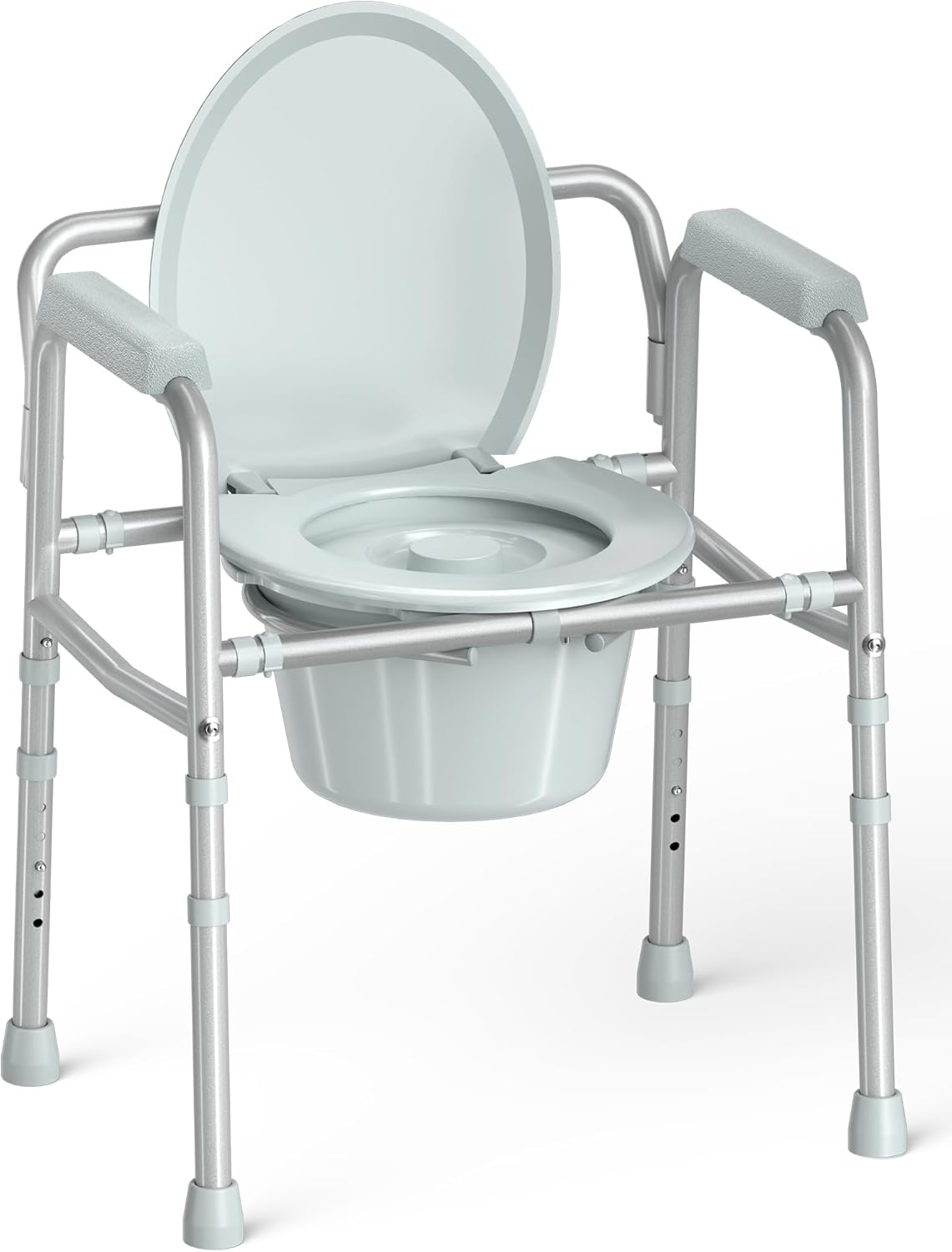
Armrests swing down for lateral transfers from bed or wheelchair.
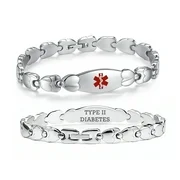
Bracelet with conditions, meds, and emergency contacts engraved.
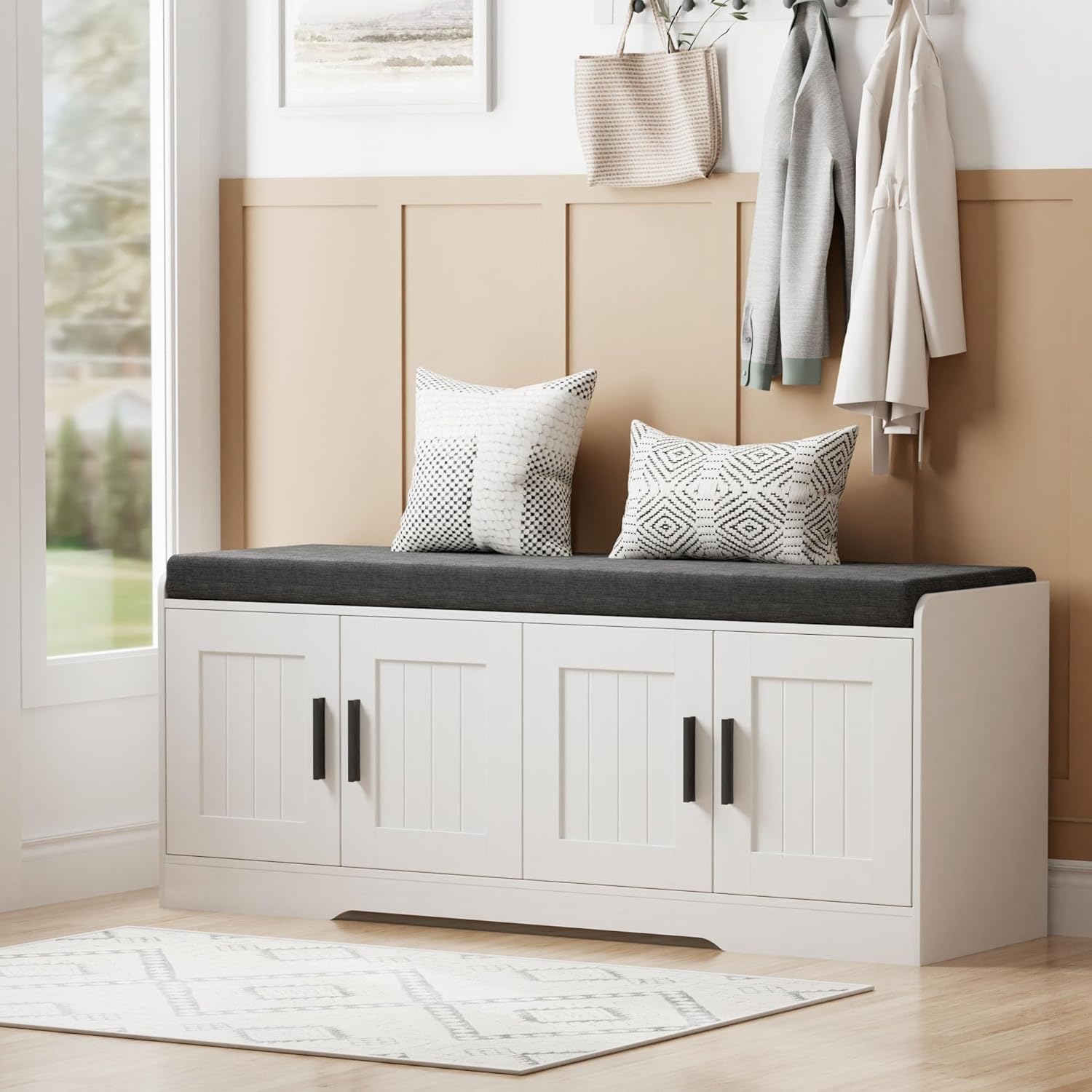
Provide seated shoe changes and reduce clutter near the door.
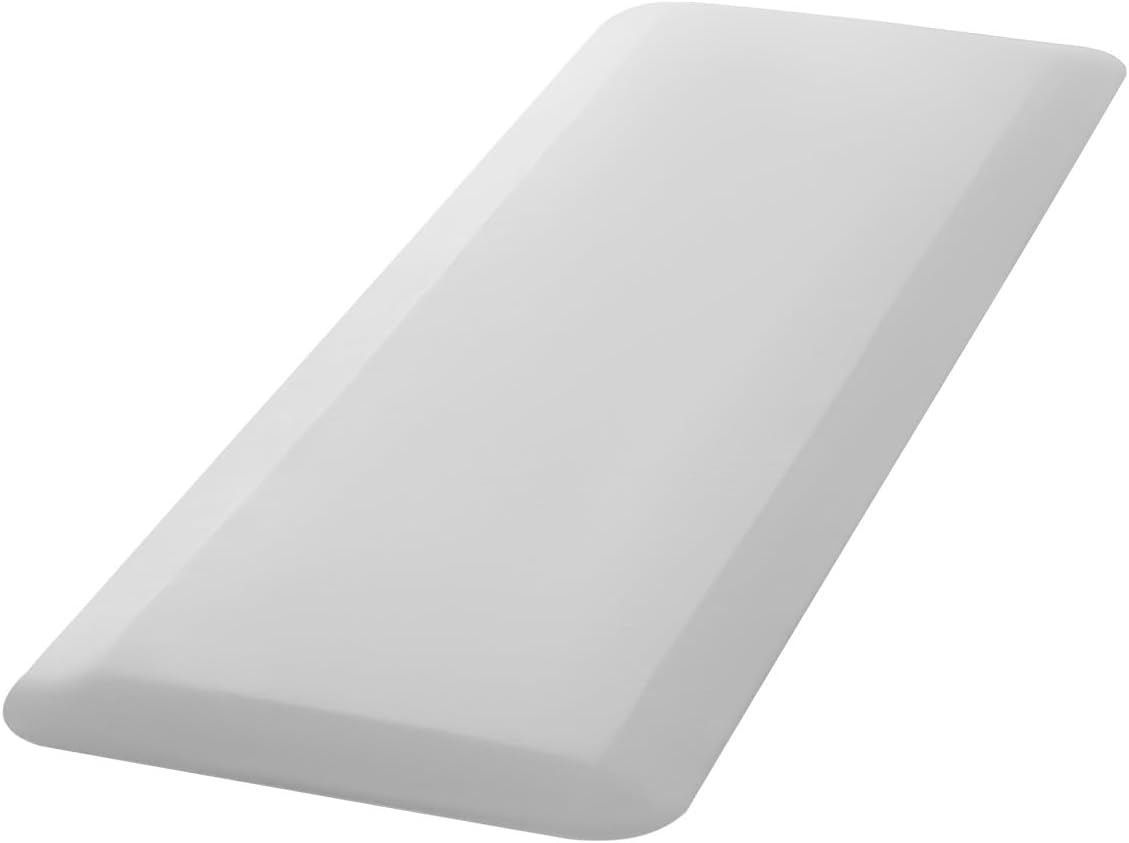
Cushion the floor beside a bed for users at high fall risk.
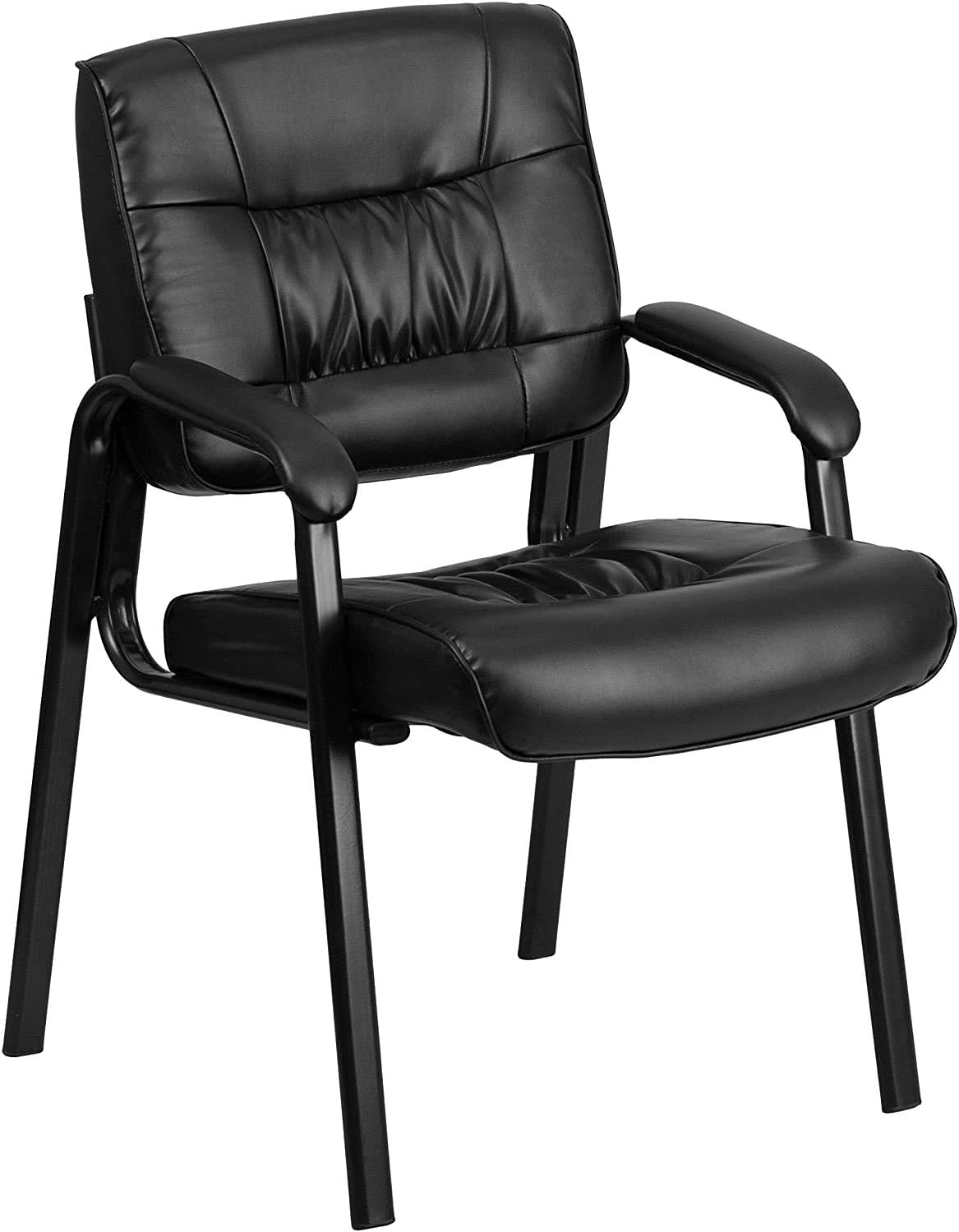
Replace soft or low seating with a stable chair that supports transfers.
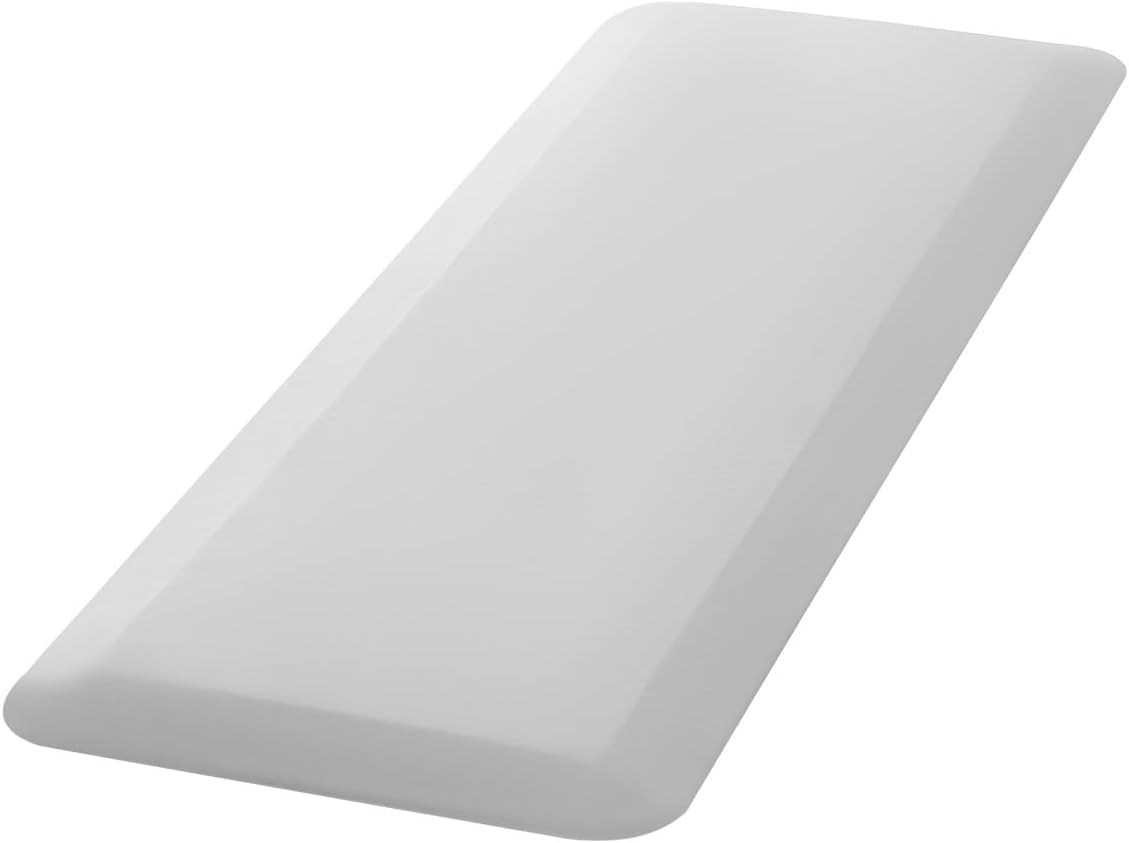
Low-profile cushioned pad on the floor where feet land when sitting up.
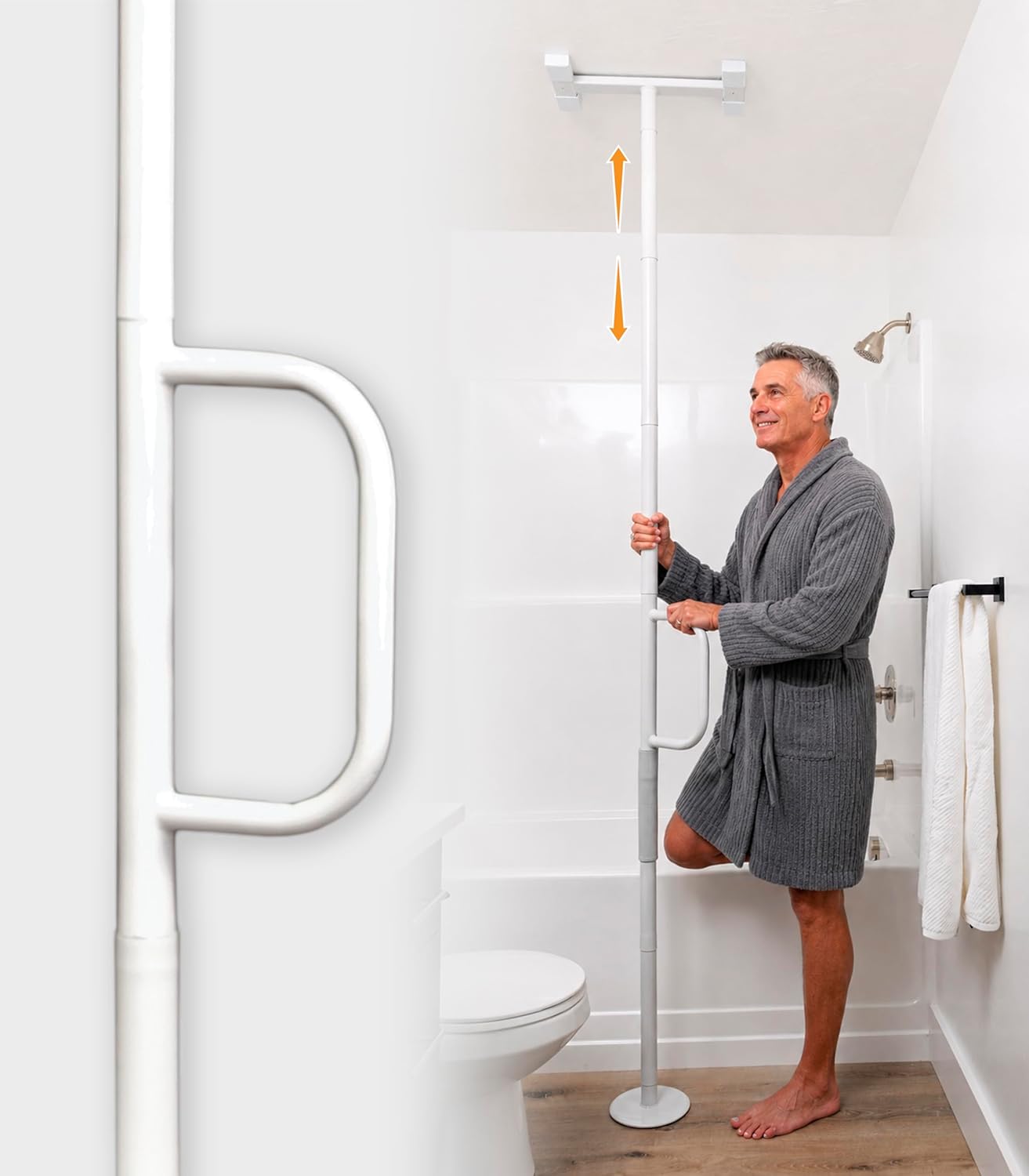
Add vertical transfer support where wall-mounted bars are not practical.
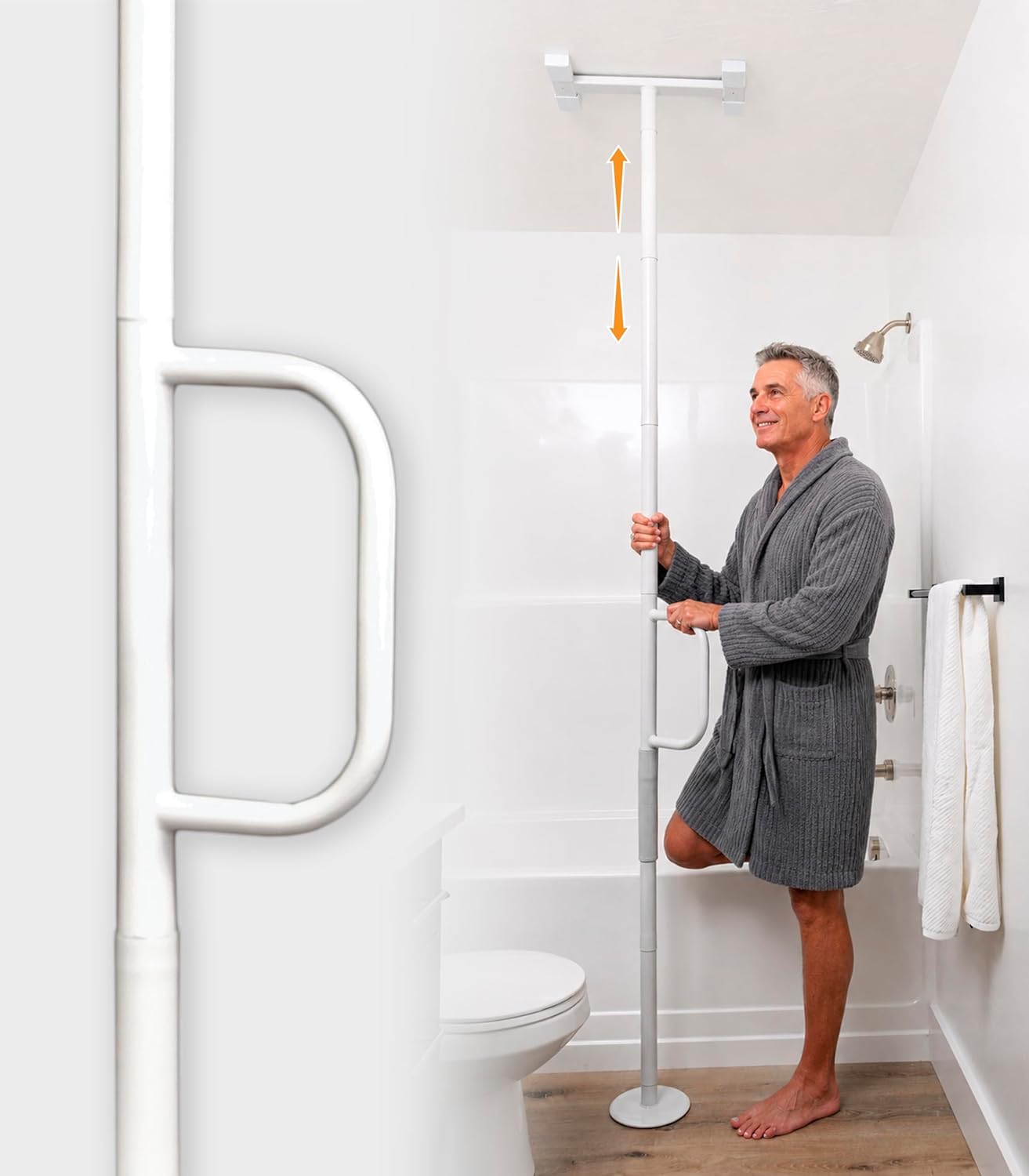
Tension-mounted vertical pole — pivot grab handle for bed, sofa, toilet path.
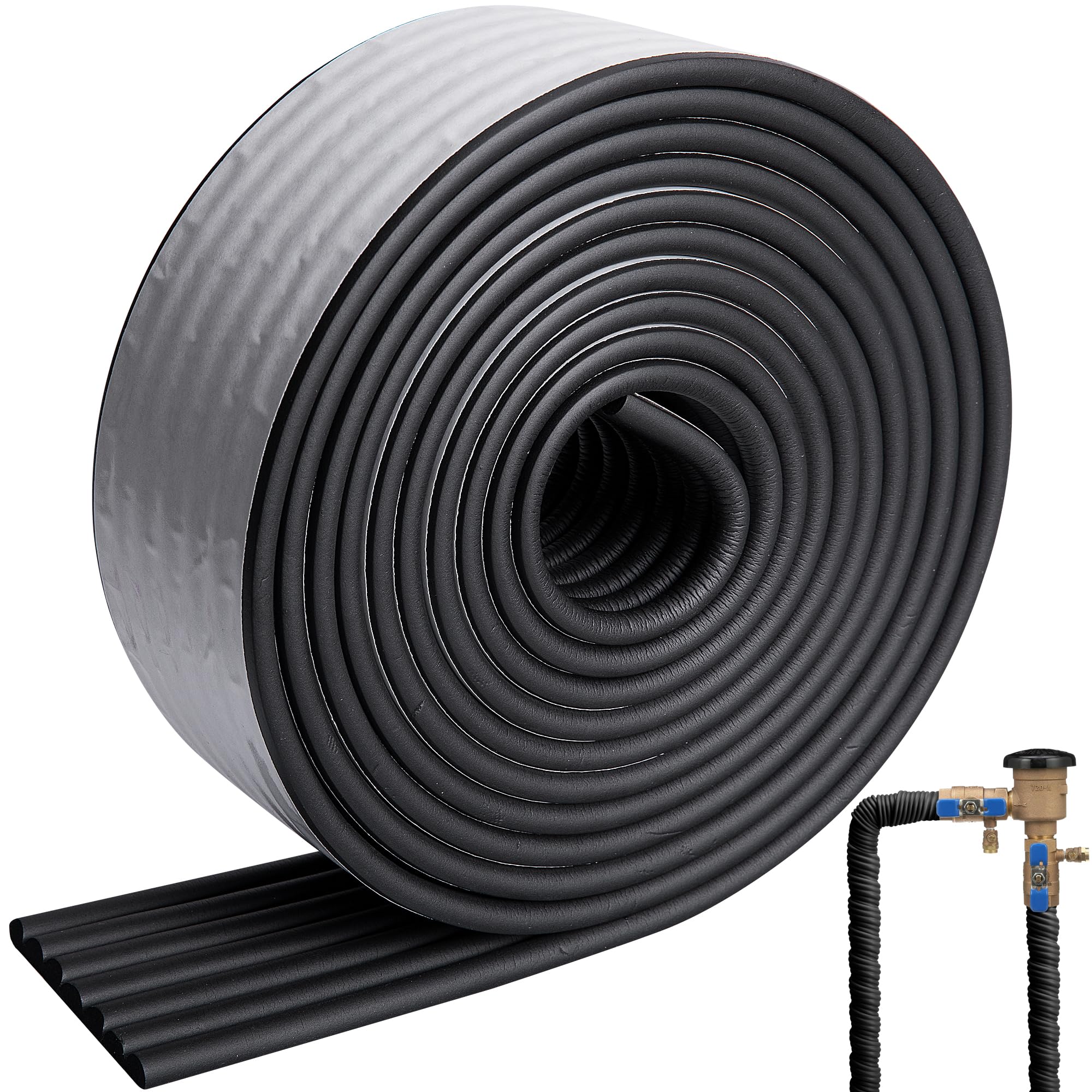
Pre-slit foam tube for insulating pipes.
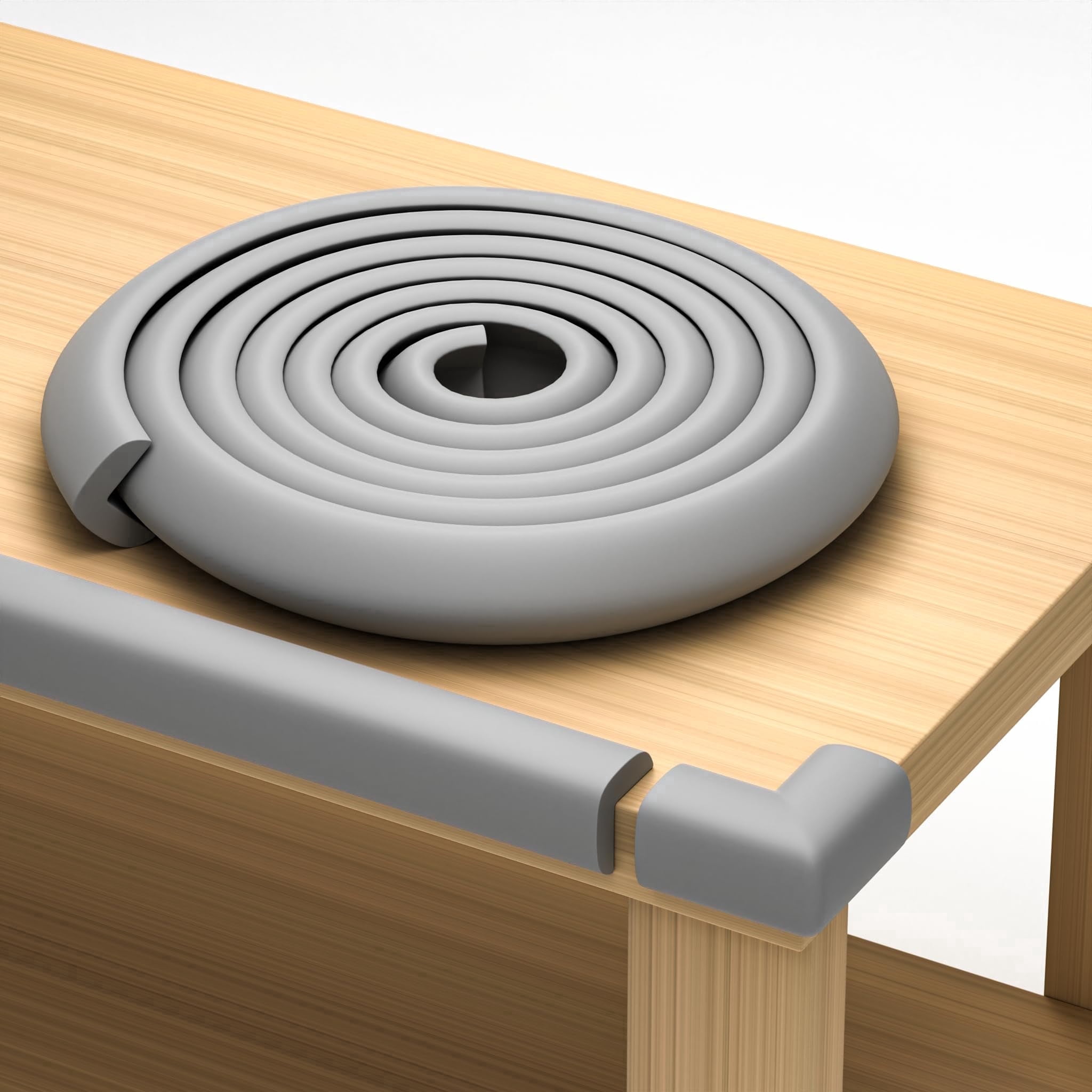
Adhesive foam tape for sharp table, desk, or counter edges.
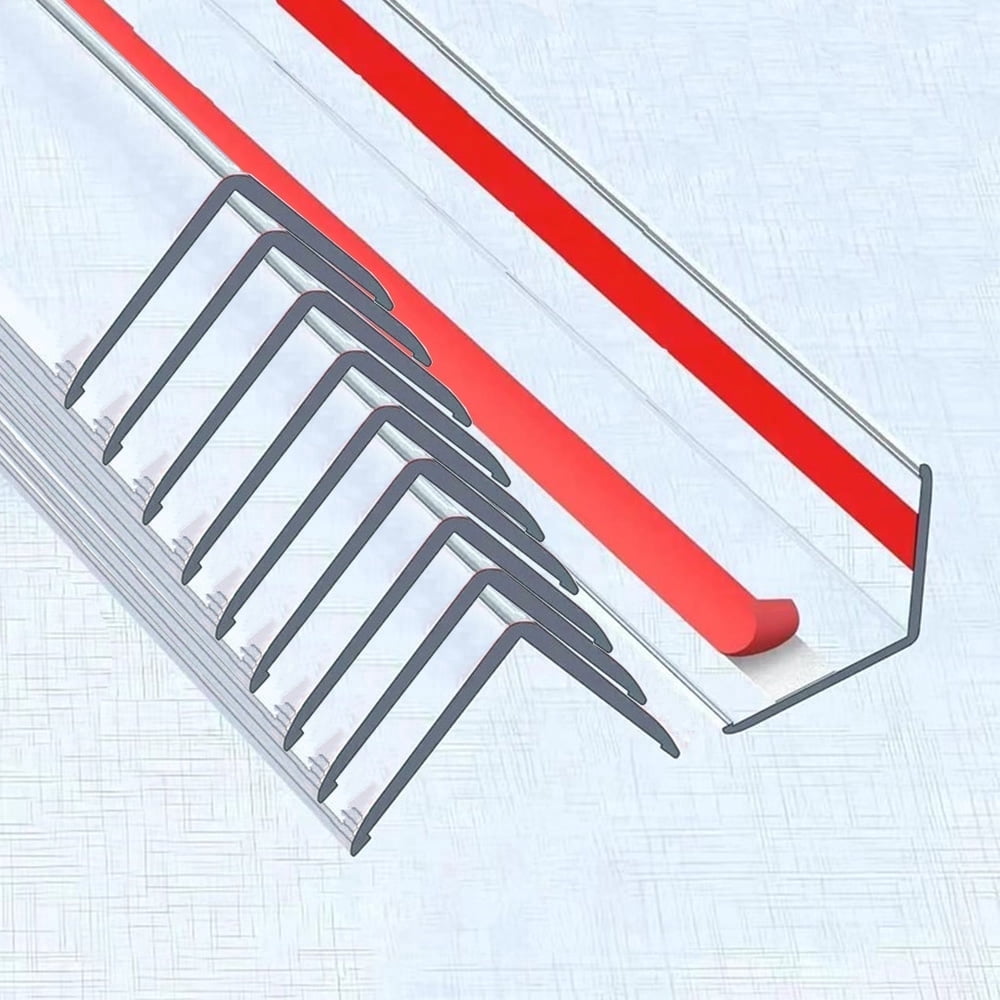
Protective pads to cover sharp corners on furniture like nightstands, tables, or cabinets, enhancing safety.
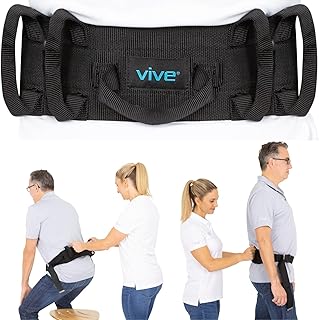
Help caregivers assist transfers and walking with safer body mechanics.
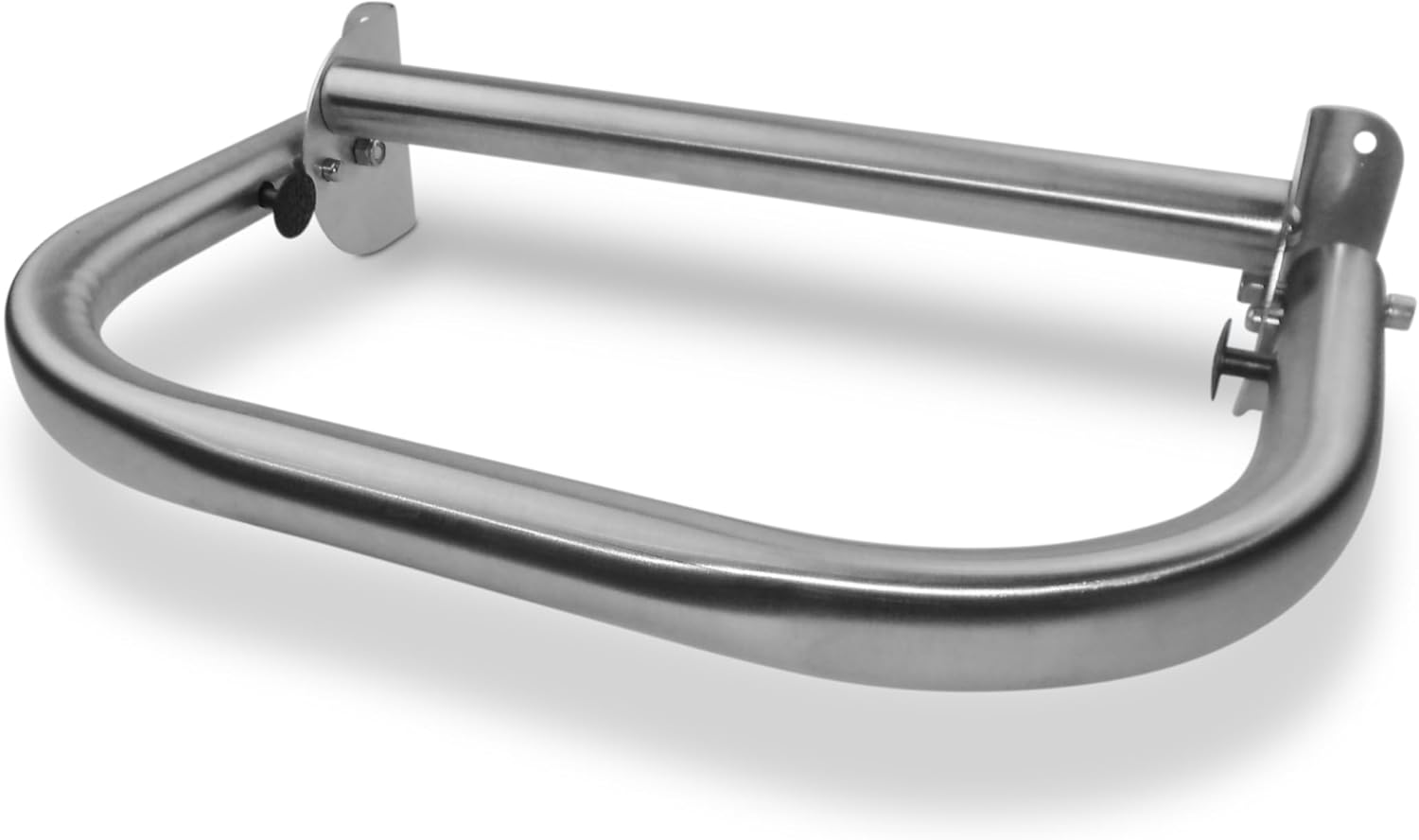
Safety grab bar for support in bathrooms, showers, and other areas requiring fall prevention. Provides a a secure handhold.
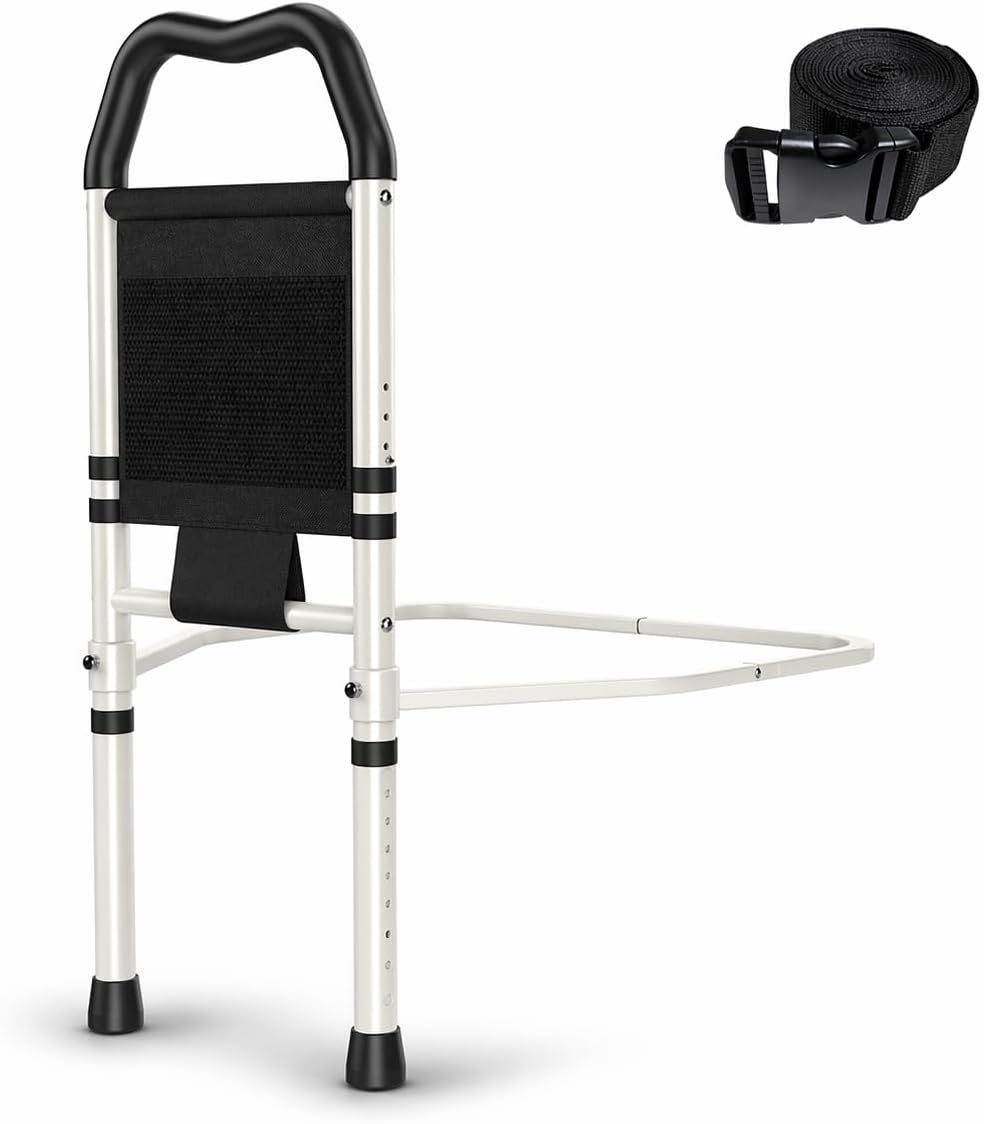
Short rail at mid-bed — helps roll to sitting without blocking partner side.
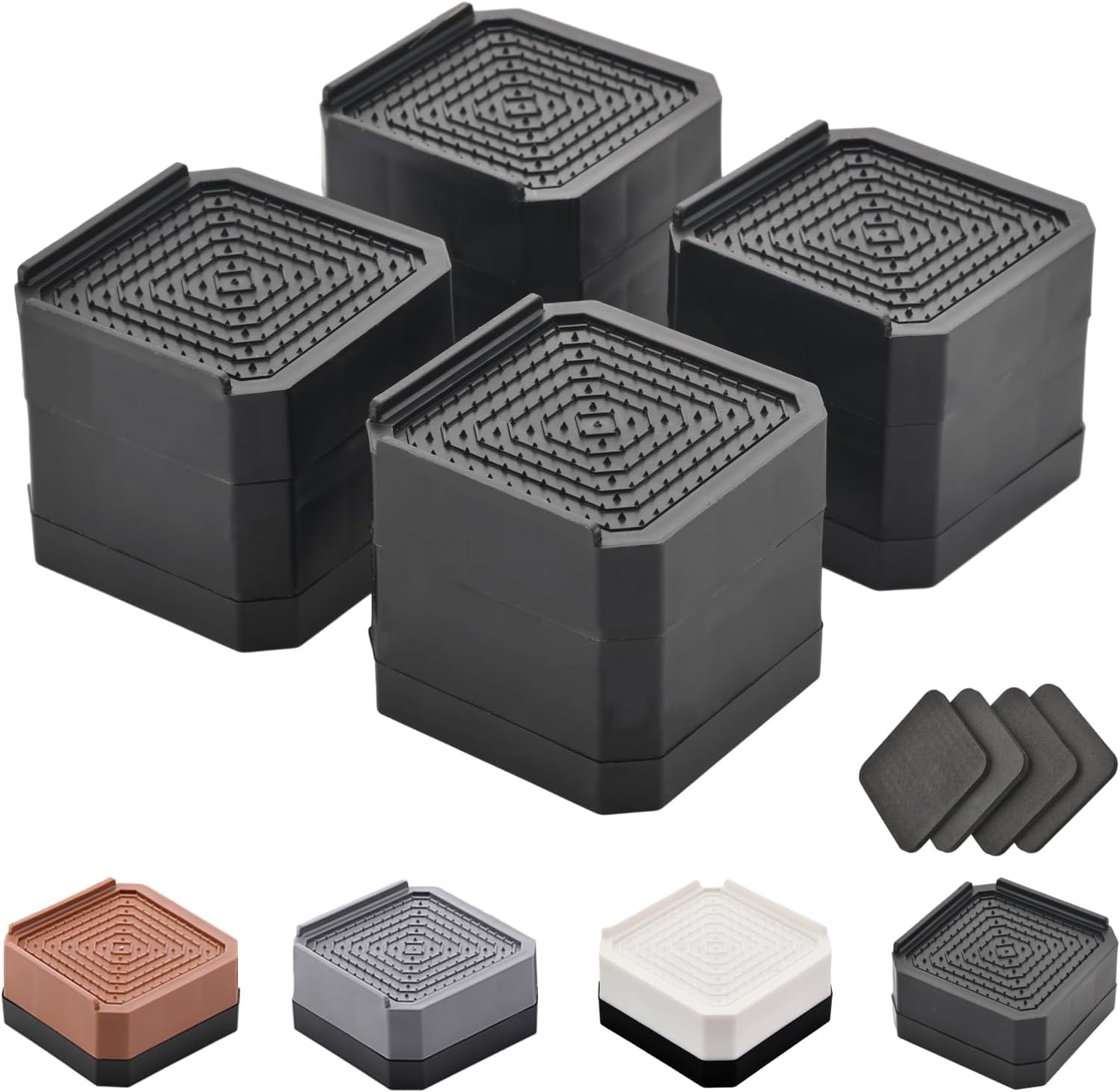
Raise low sofas to reduce transfer effort.
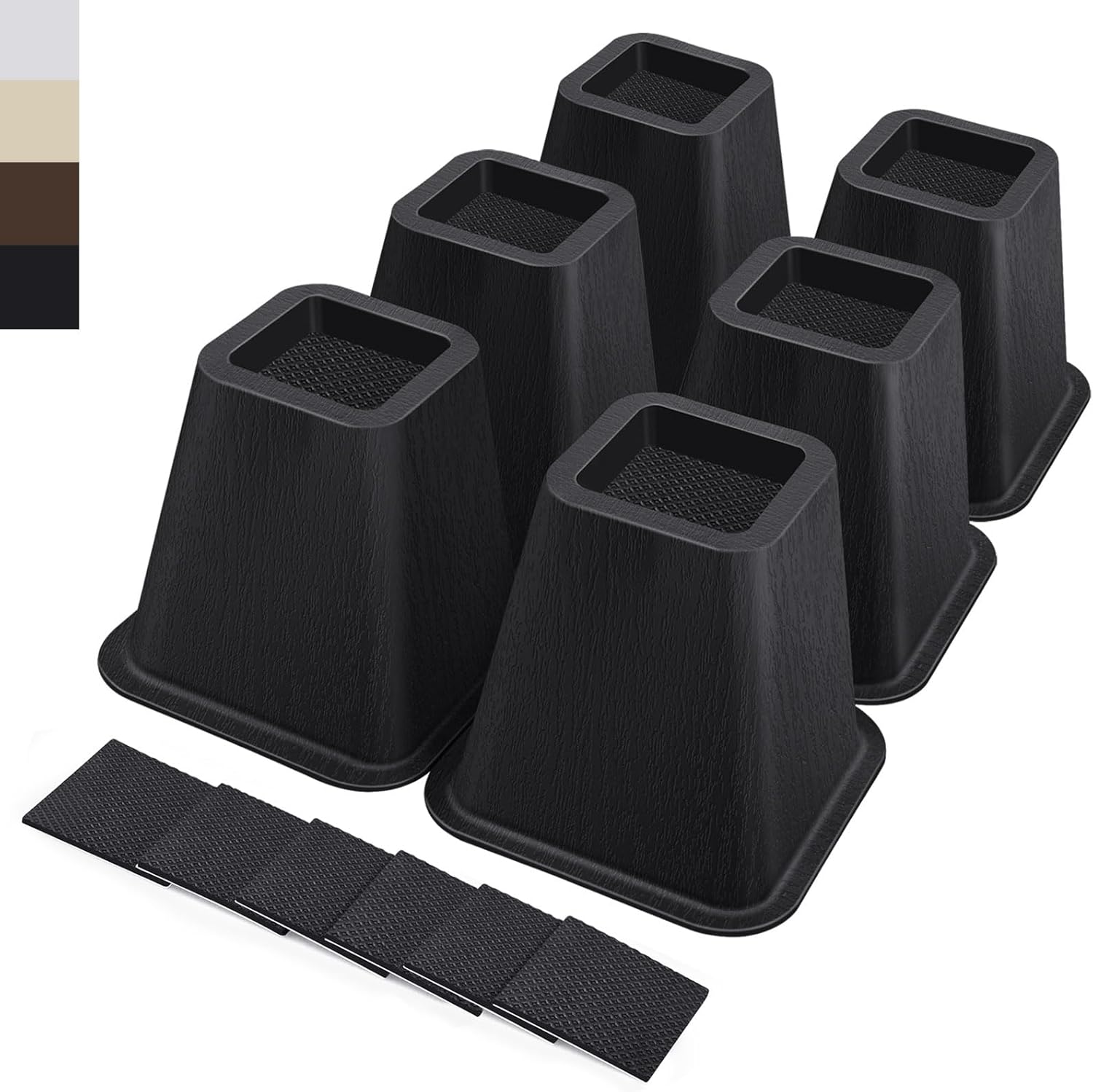
Raise a low chair to make sit-to-stand transfers easier.
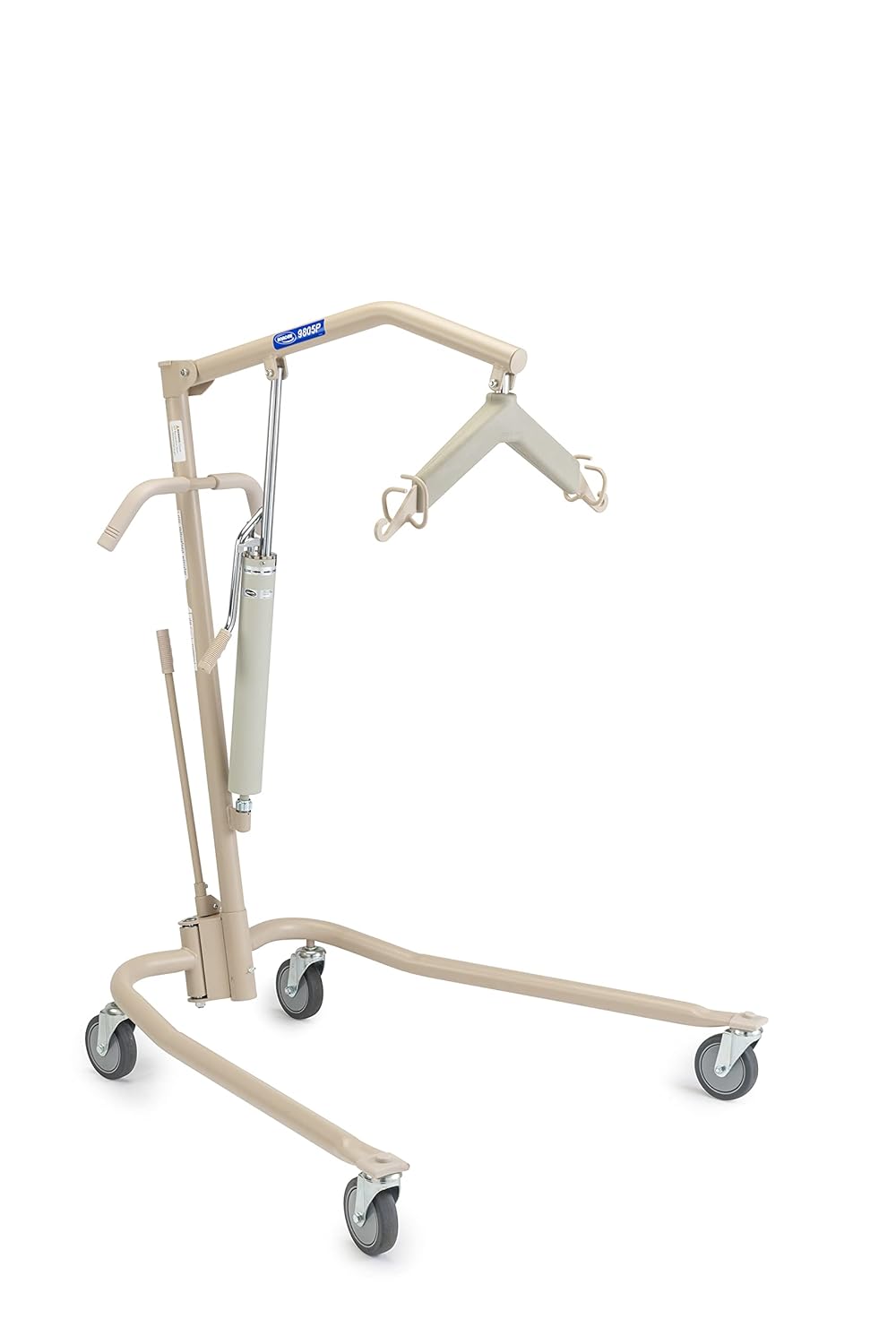
Support dependent transfers when recommended by clinicians and caregivers are trained.
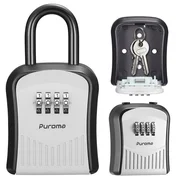
Allow trusted caregivers or responders access during emergencies.
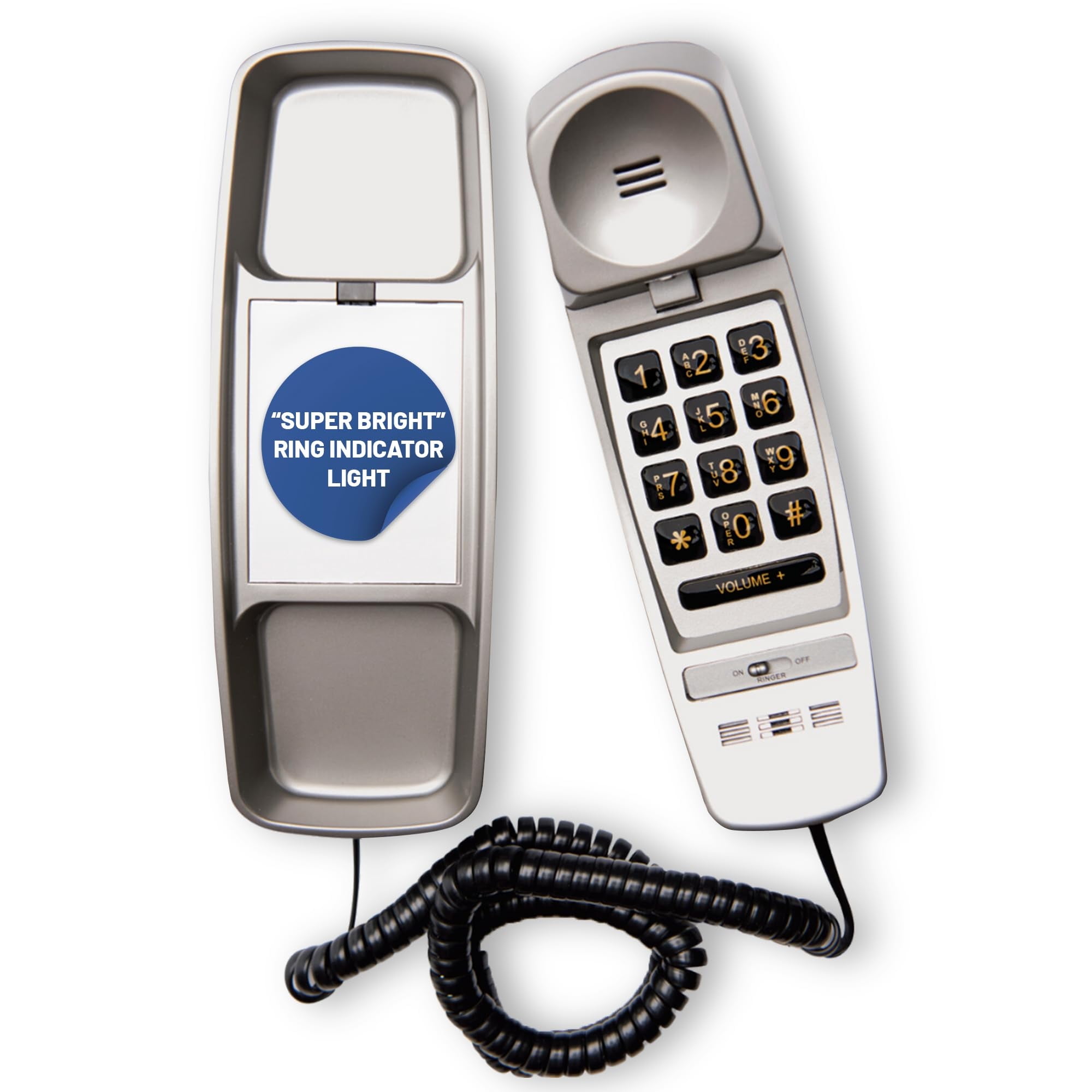
Make emergency calling easier for users with vision, dexterity, or cognition concerns.
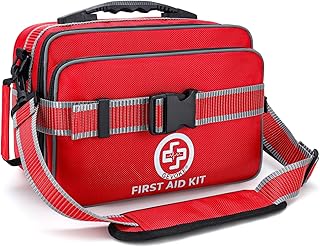
Keep basic first aid supplies organized and easy for caregivers to find.
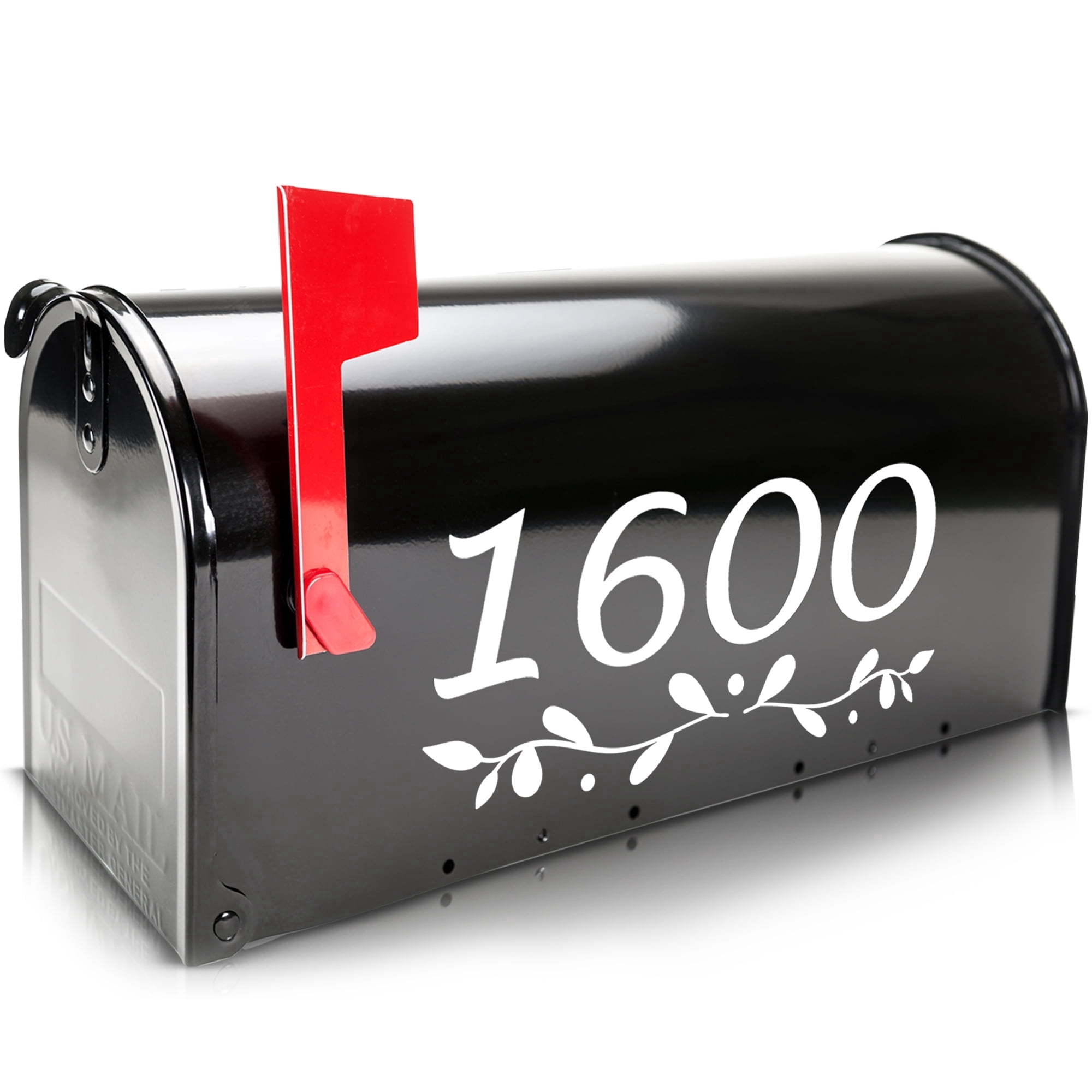
Help emergency responders identify the home quickly.
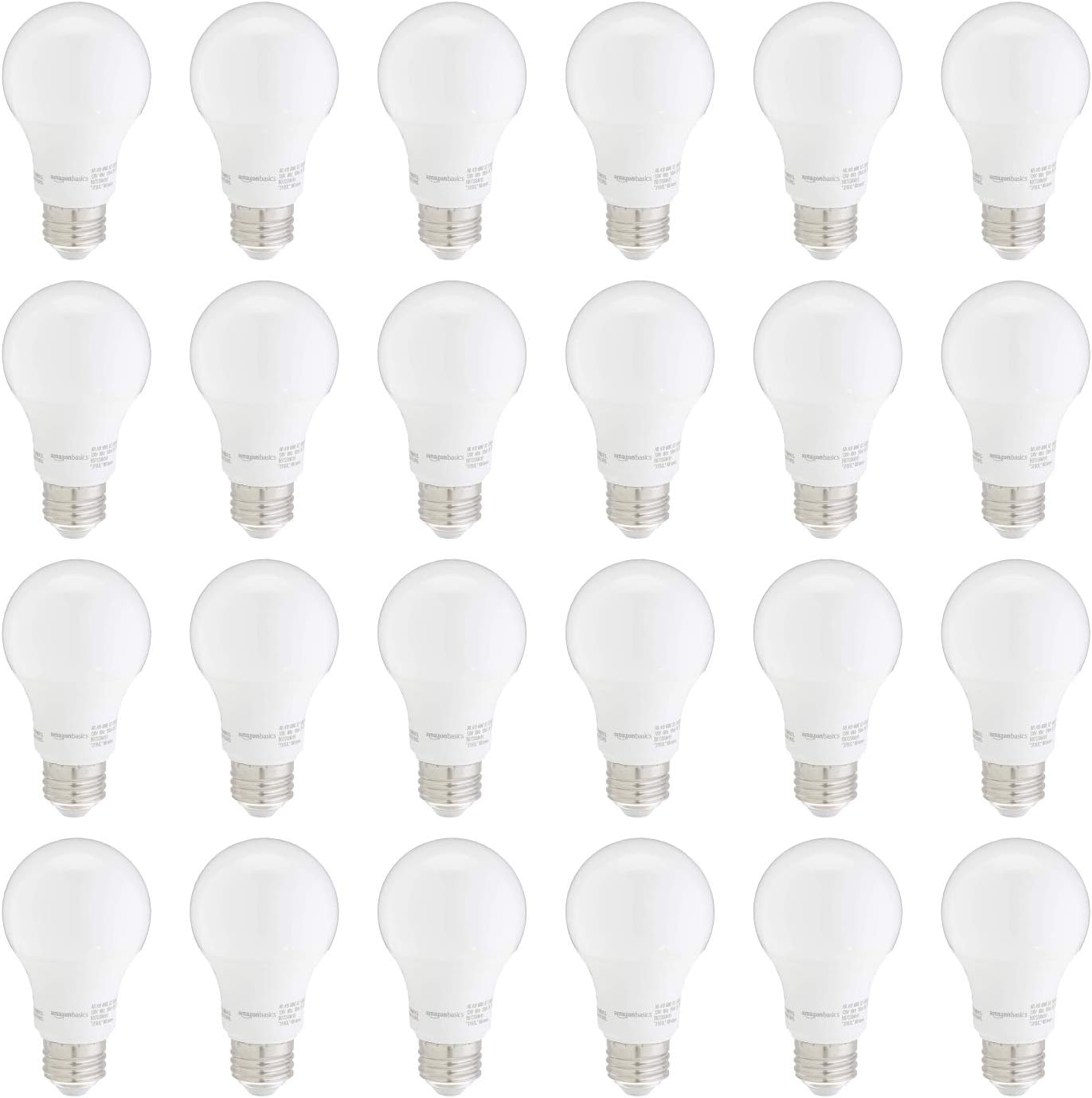
Replace dim bulbs with brighter, even lighting in high-use rooms.
Support sit-to-stand transfers for users who need powered assistance.
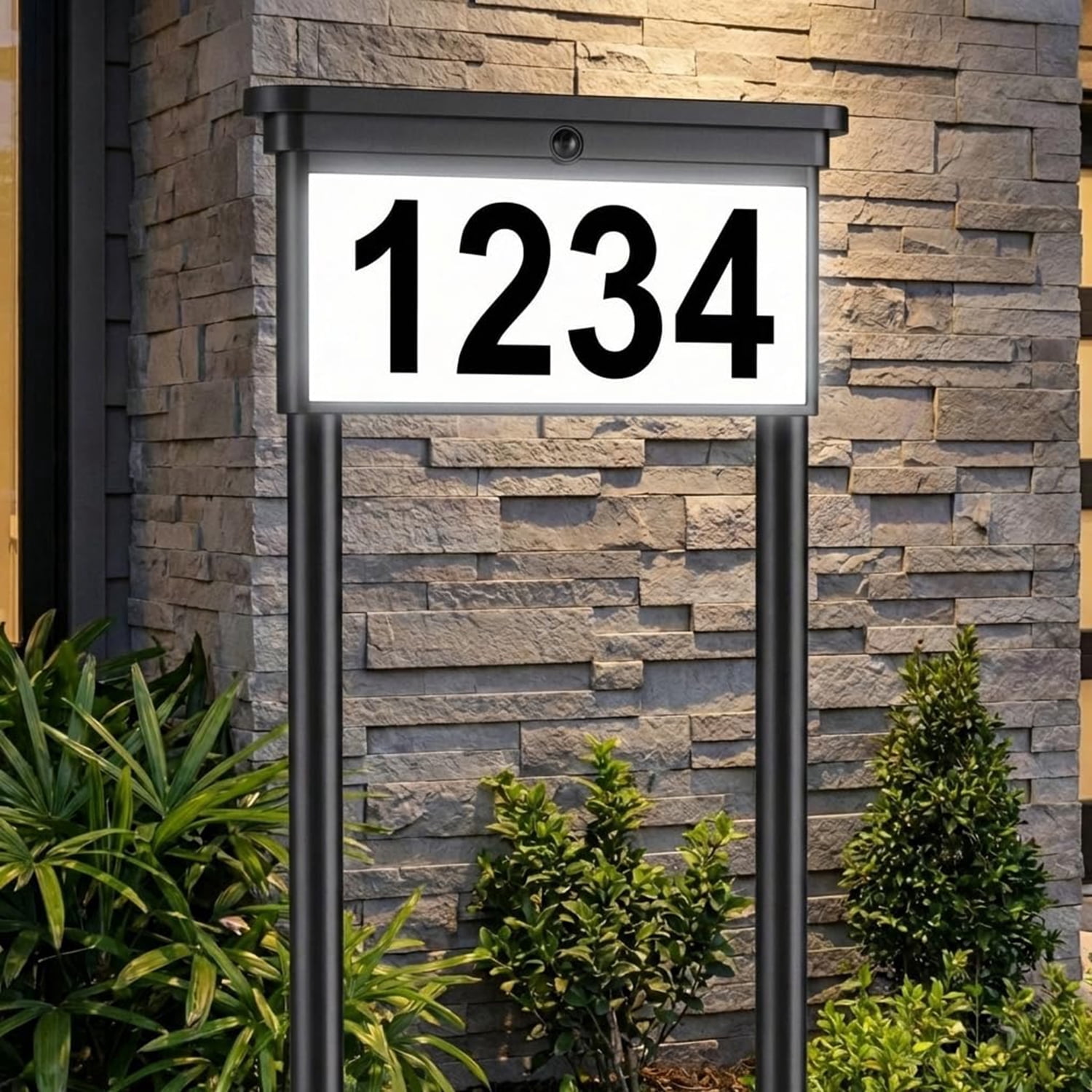
Illuminated house numbers so EMS finds you faster at night.
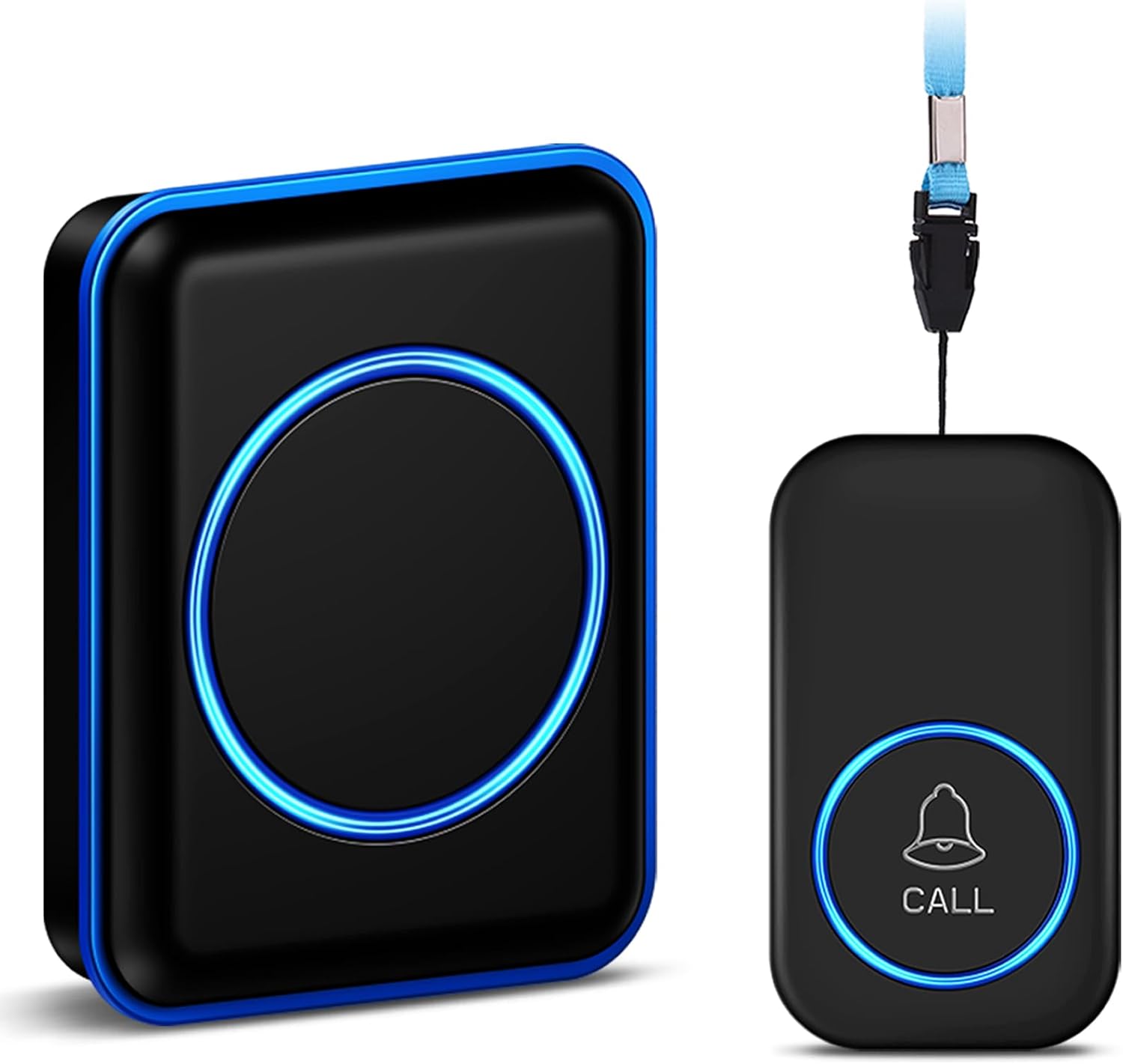
Provide a fast way to request help after a fall or sudden symptom.
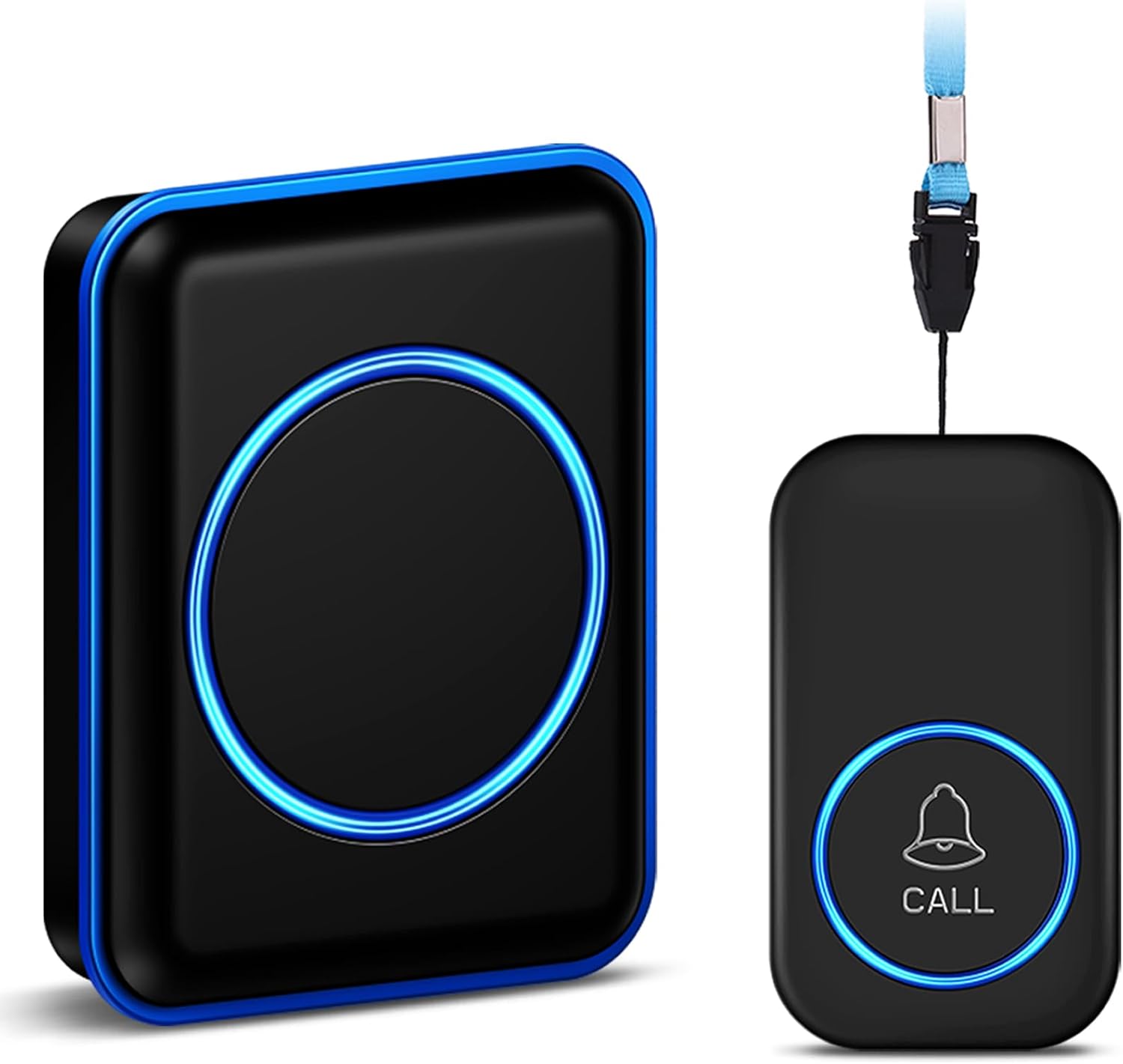
Wearable help button designed for use with a medical alert monitoring service (typically requires separate subscription).
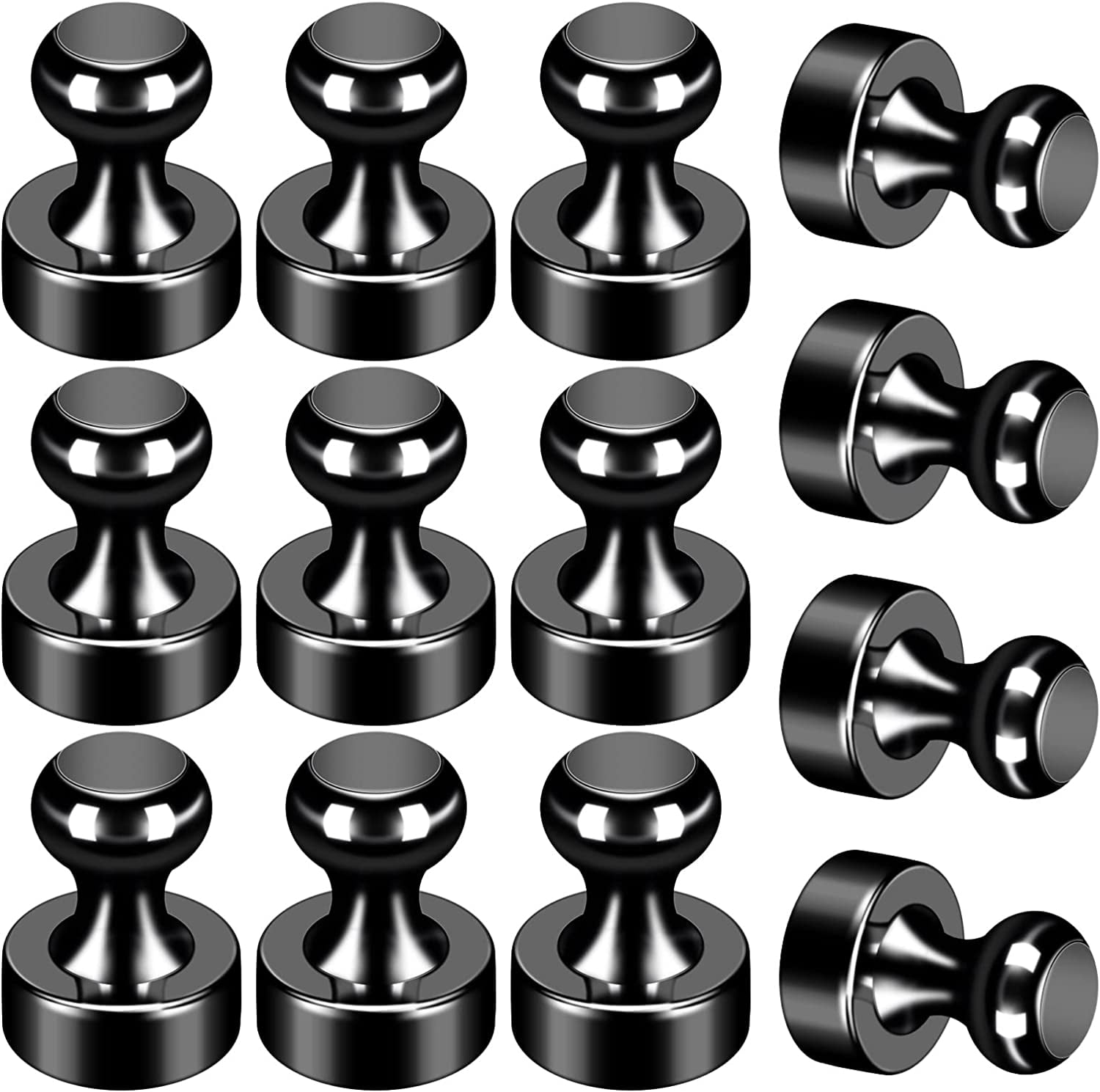
Magnetic form for meds, contacts, and hospital preferences on the fridge.
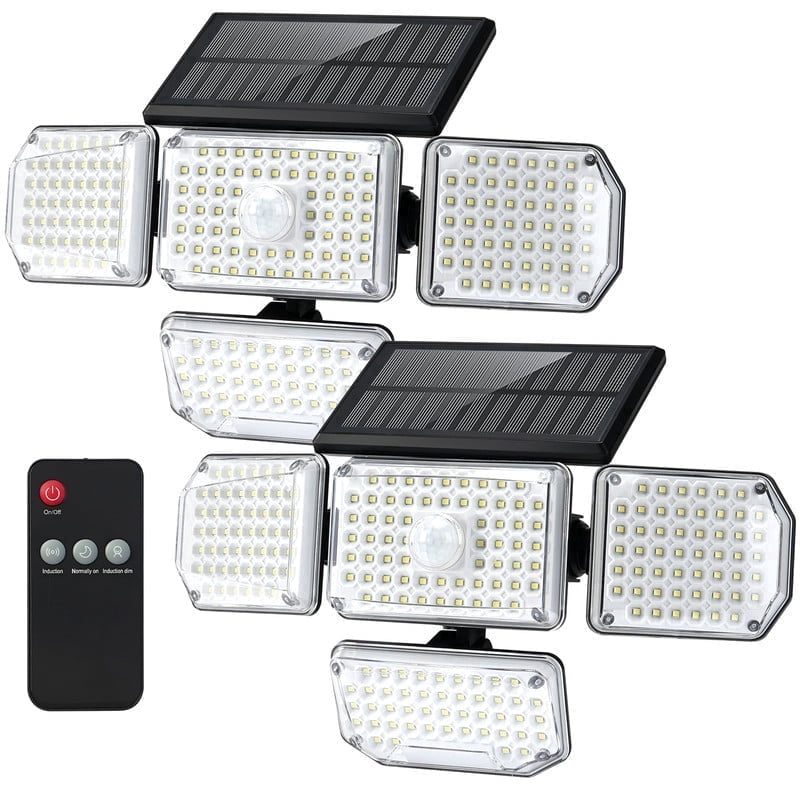
Bright outdoor light triggered by motion, ideal for security and general illumination around a home.
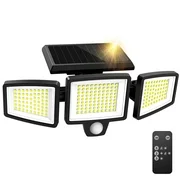
Automatically illuminates exterior entry areas when motion is detected.

Reduce sliding during bed positioning and transfers.

Slippers with grip soles for indoor use.
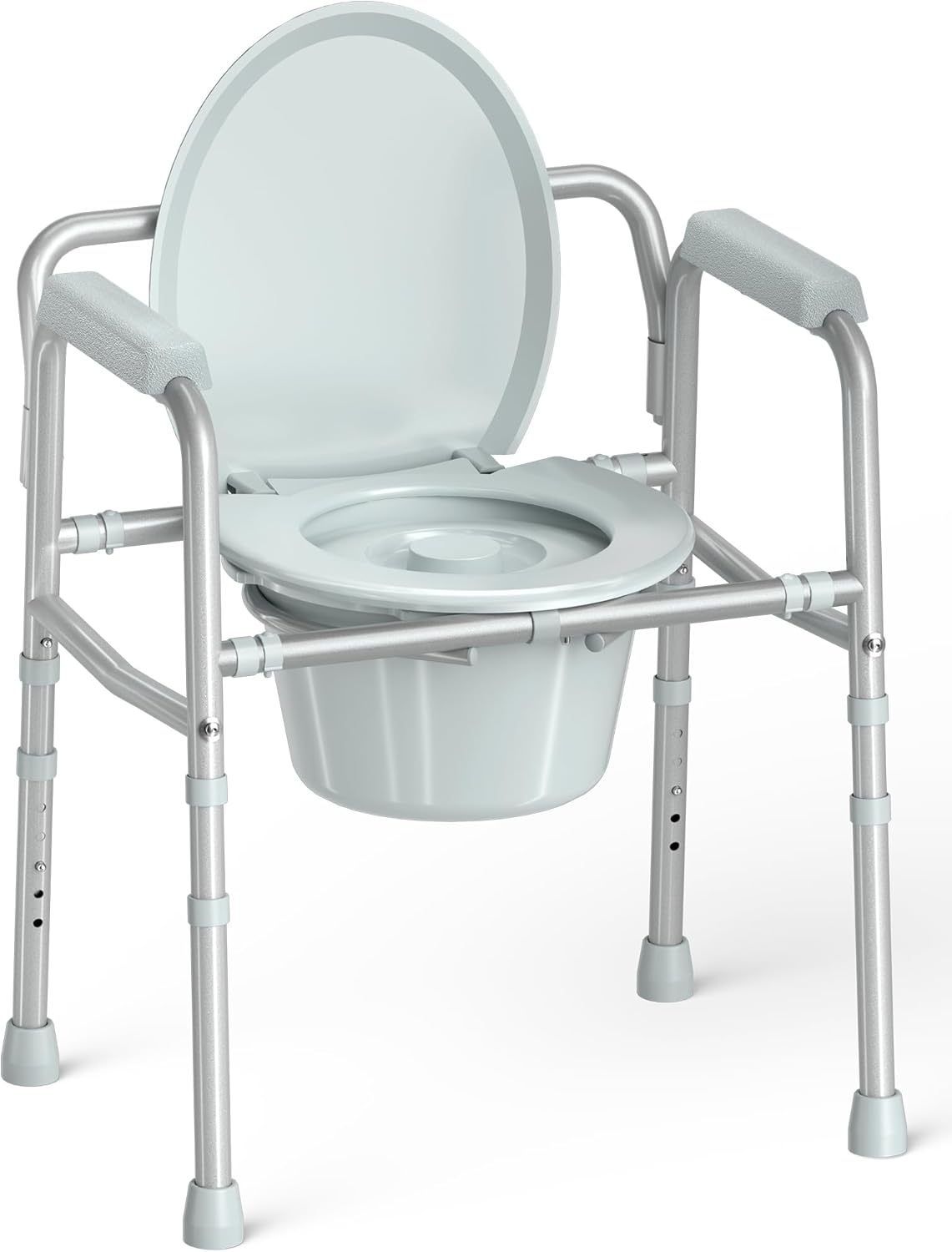
Portable toilet chair with arms — height adjustable, bucket liner.
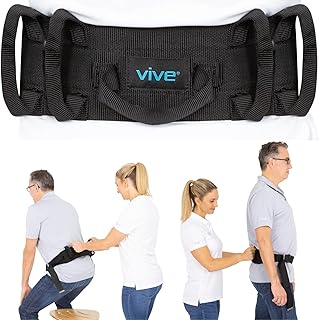
Support caregiver-assisted walking or transfers with multiple handholds.
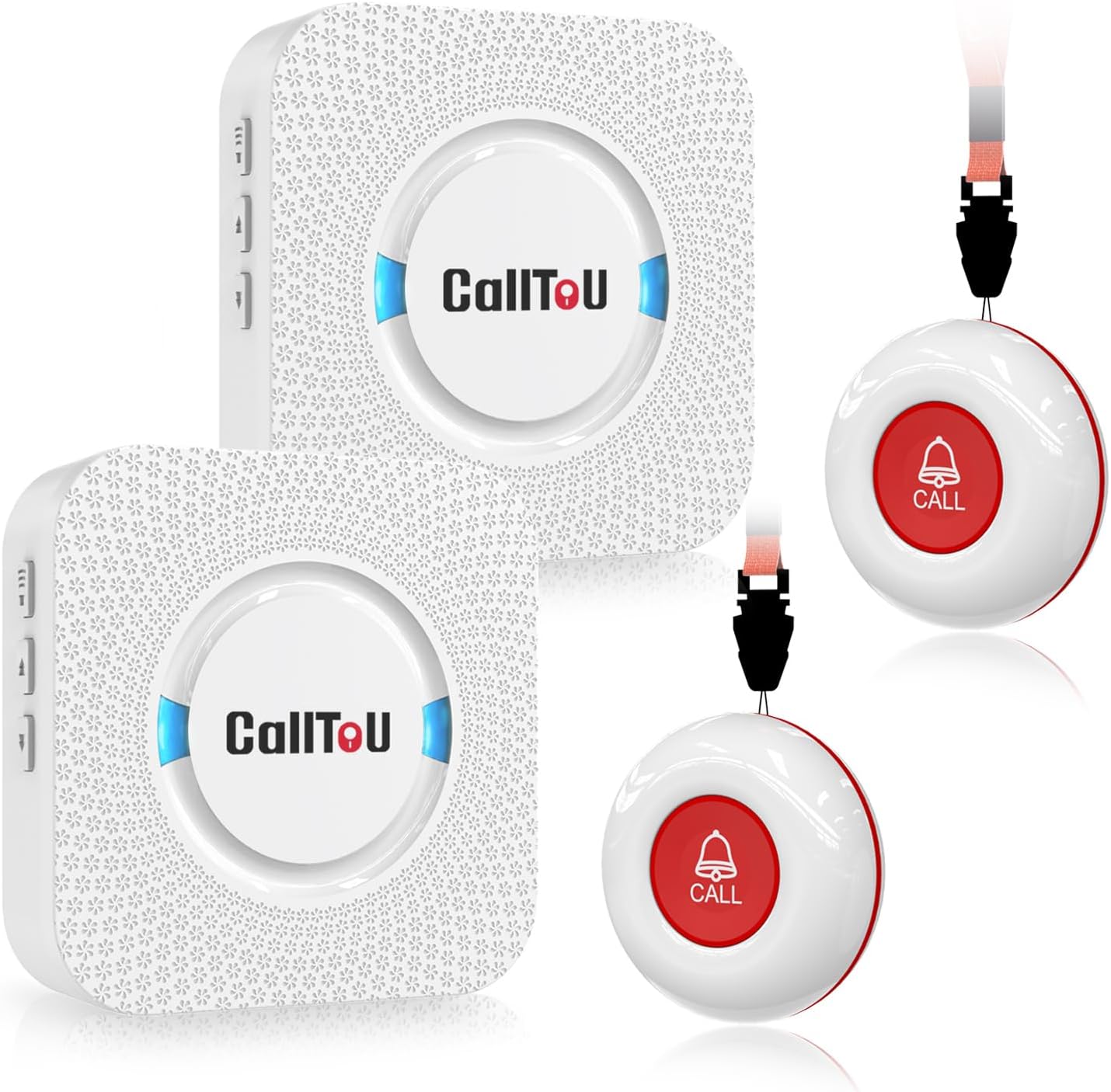
Let the survivor call a caregiver inside the home quickly.
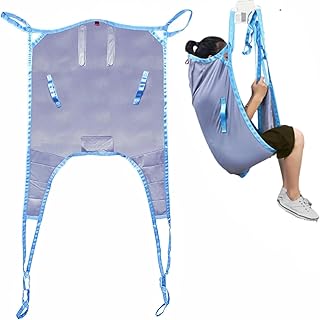
Pair with a compatible lift for users who cannot safely transfer manually.
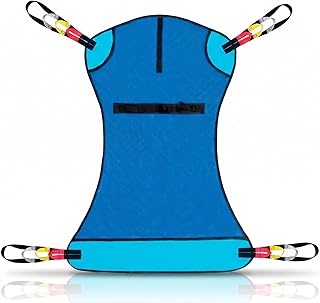
Support assisted transfers when caregiver training and equipment are appropriate.
Loud pull-pin alarm on keys or wrist — no monthly fee.
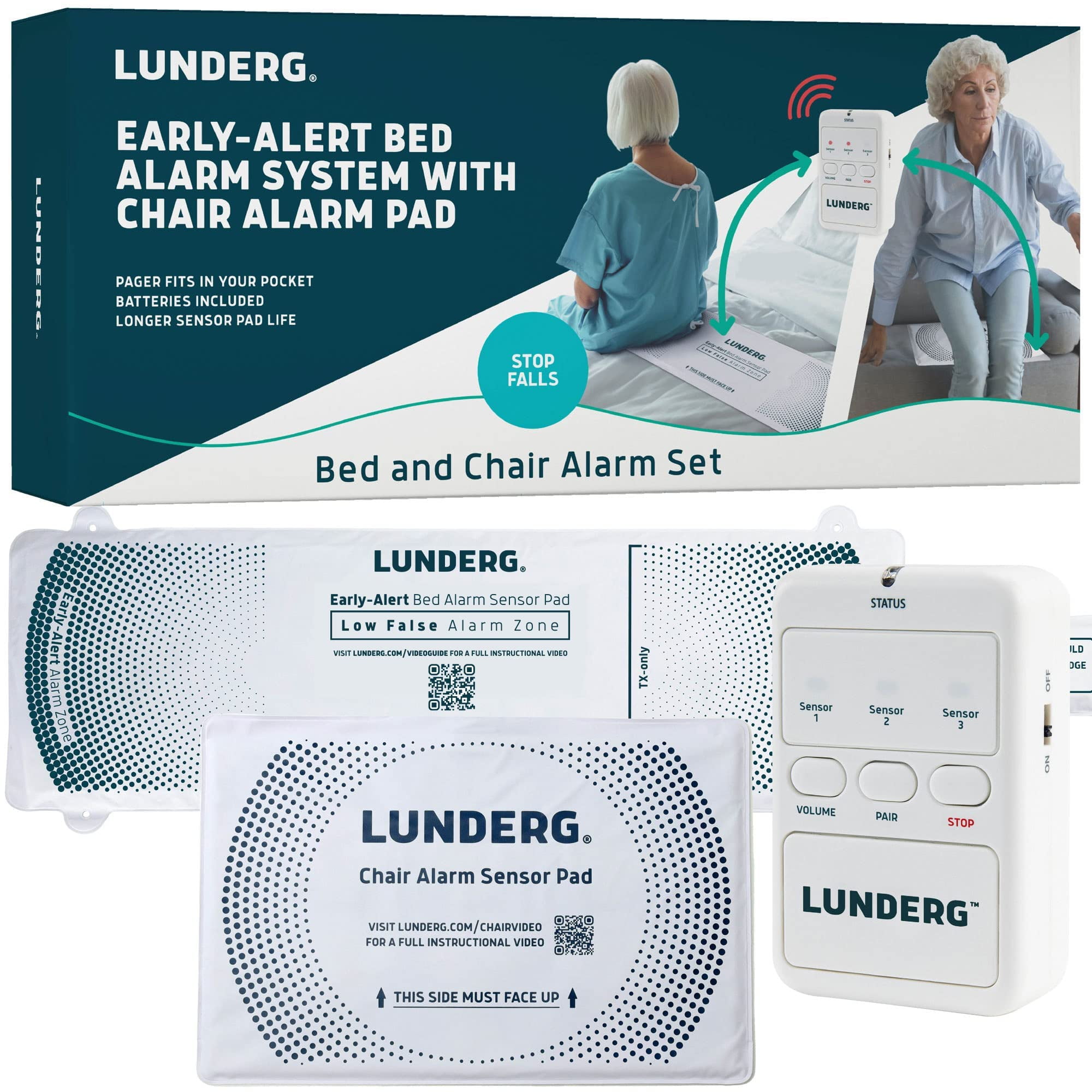
Alert caregivers when a high-risk survivor gets out of bed.
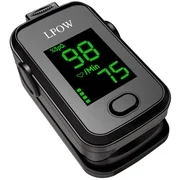
A portable device that measures blood oxygen saturation (SpO2) and pulse rate (BPM), typically displaying results on a large screen for easy readability.
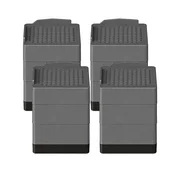
Raise low recliners that are difficult to stand from.
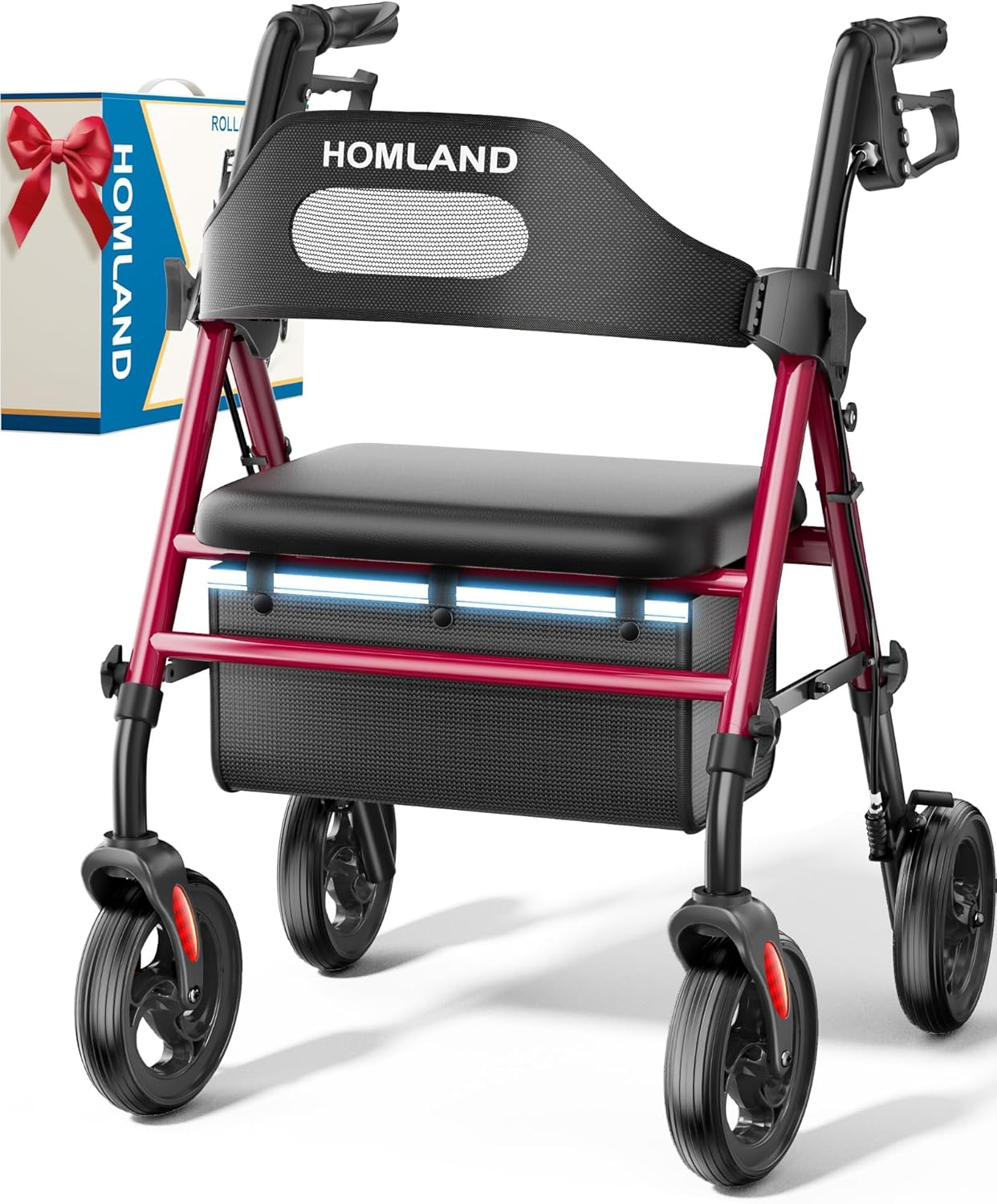
Stable walking support with rest seat — reduces fatigue and falls.
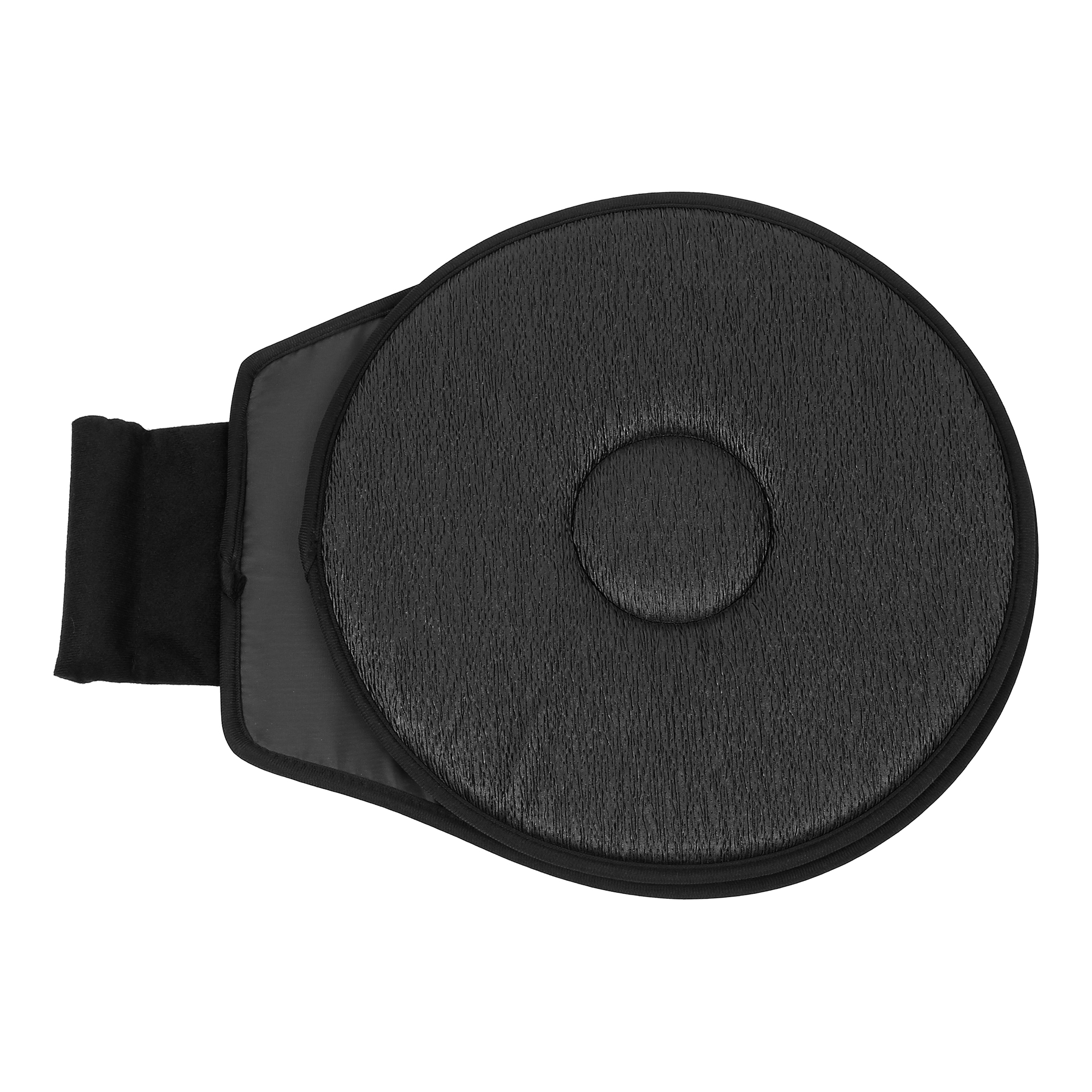
Reduce twisting during chair or car transfers.

Support sit-to-stand and pivot transfers for individuals with mobility challenges near a bed, chair, or toilet.
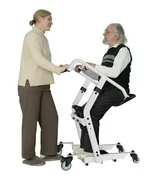
Support repeated sit-to-stand transfers when appropriate for the user's strength.
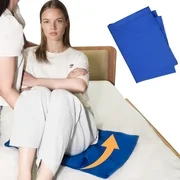
Reduce caregiver strain during bed repositioning.
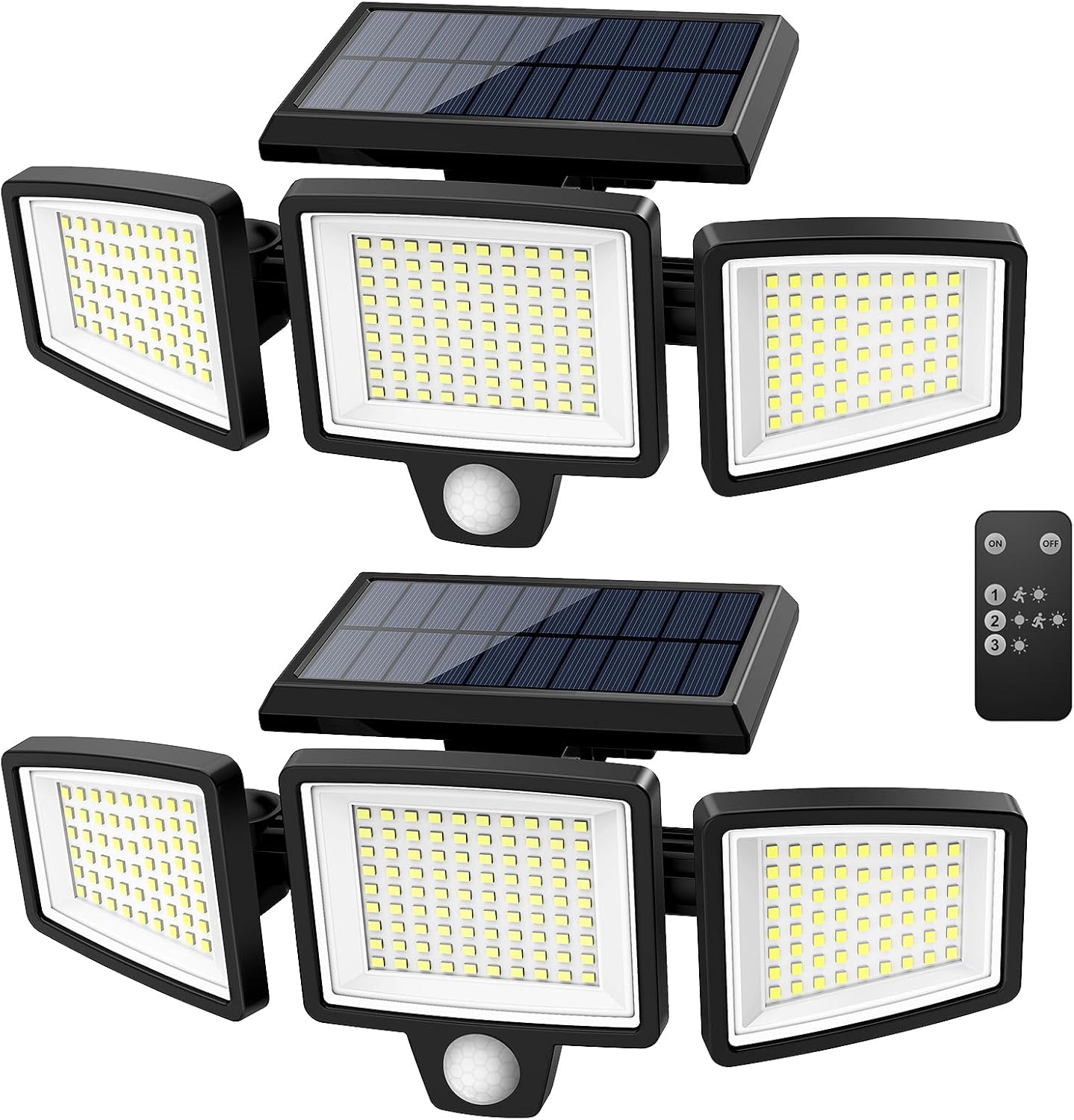
Improve outdoor route lighting without wiring where appropriate.
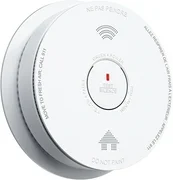
Smoke alarm with bright strobe and bed shaker accessory.
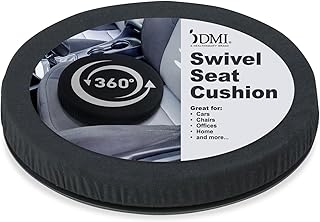
Reduce twisting during car transfers for users with limited mobility.
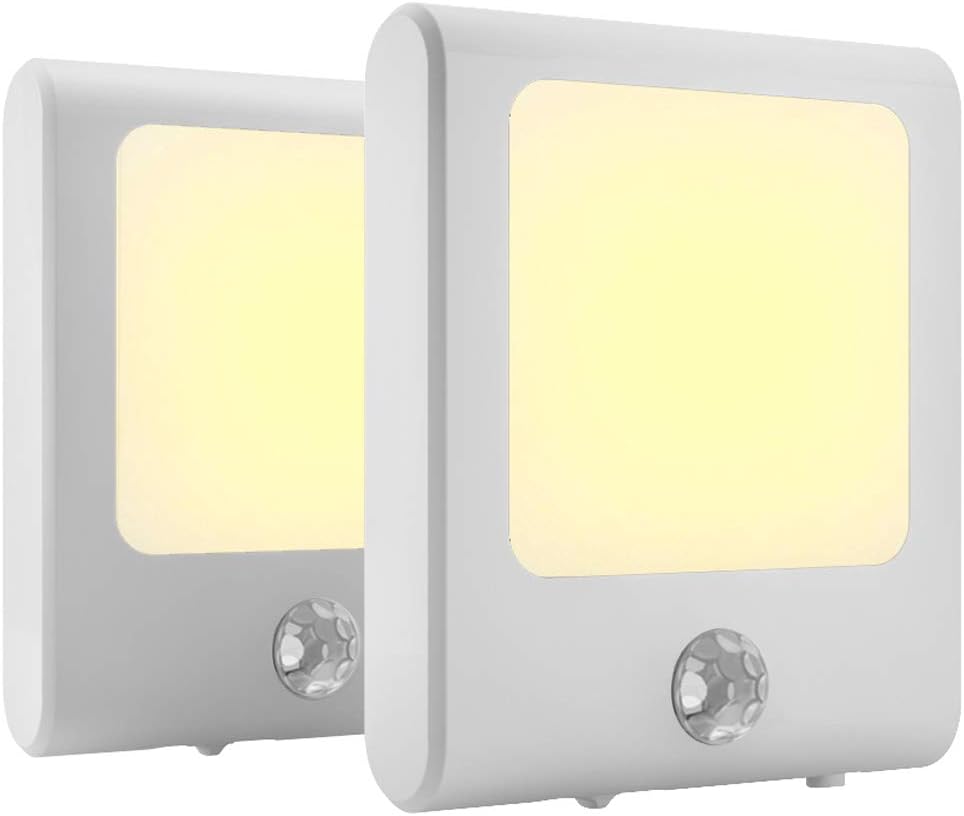
Motion-lit toilet bowl or path light for night bathroom trips.
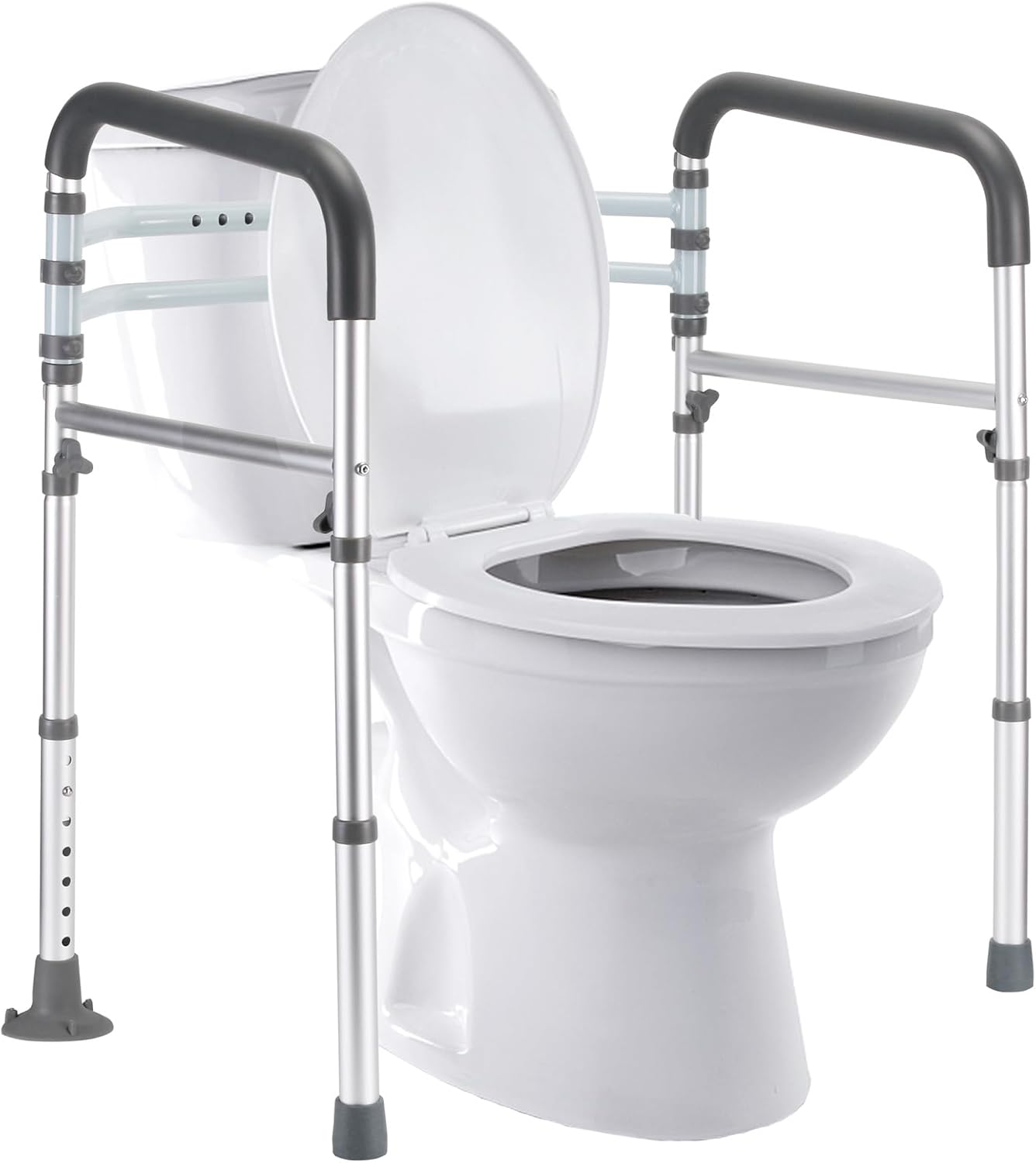
Freestanding arms around toilet — push up without wall grab bars.
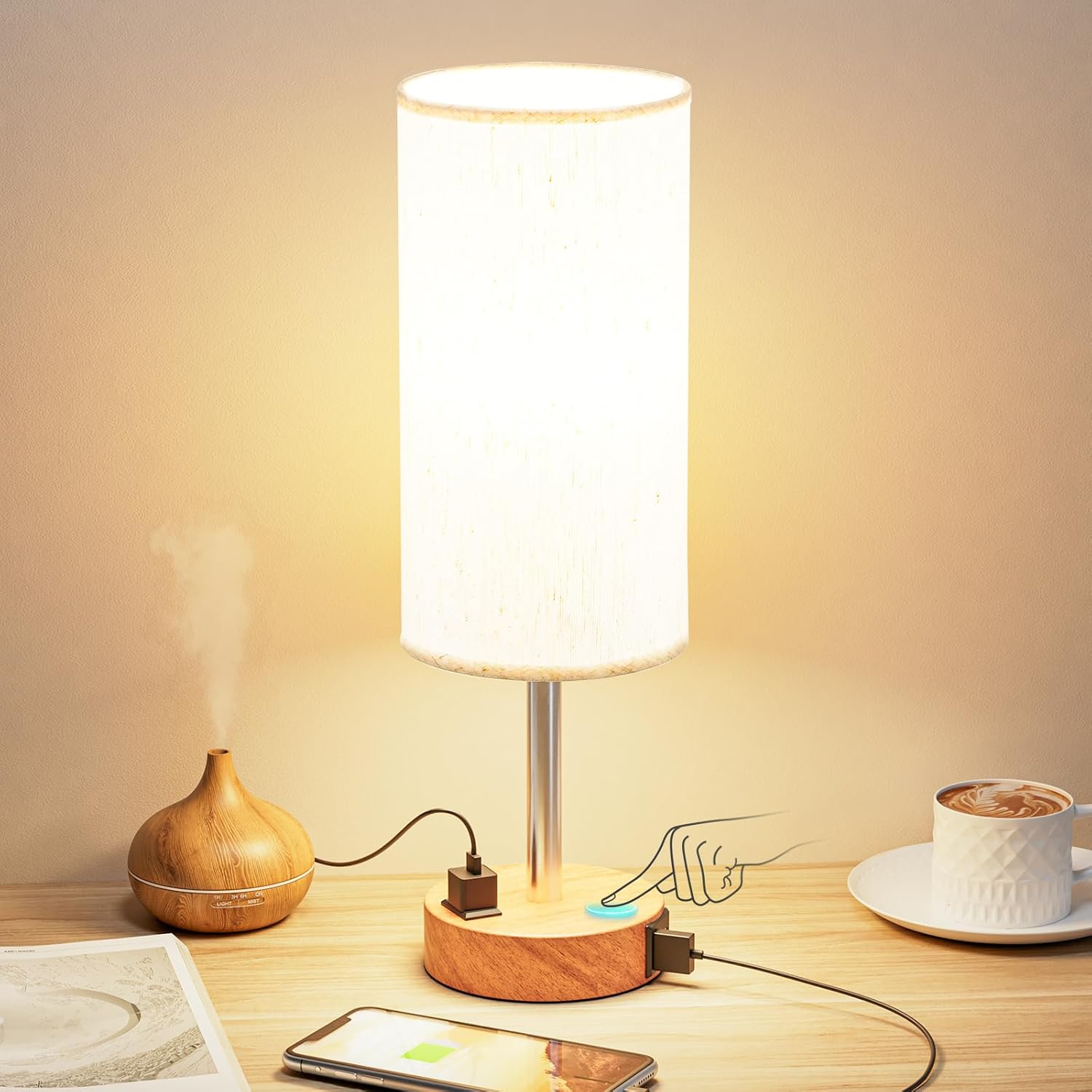
Let the survivor turn on bedside lighting with reduced hand dexterity.
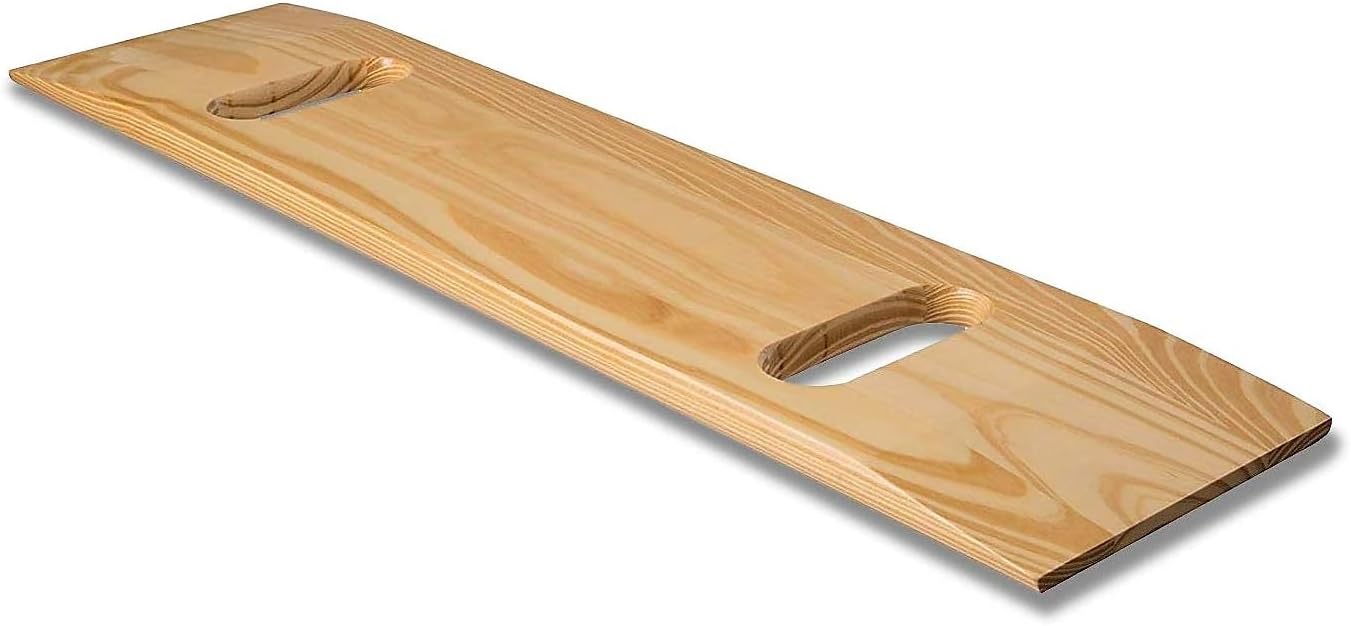
Bridge between bed, chair, and toilet for safer transfers.
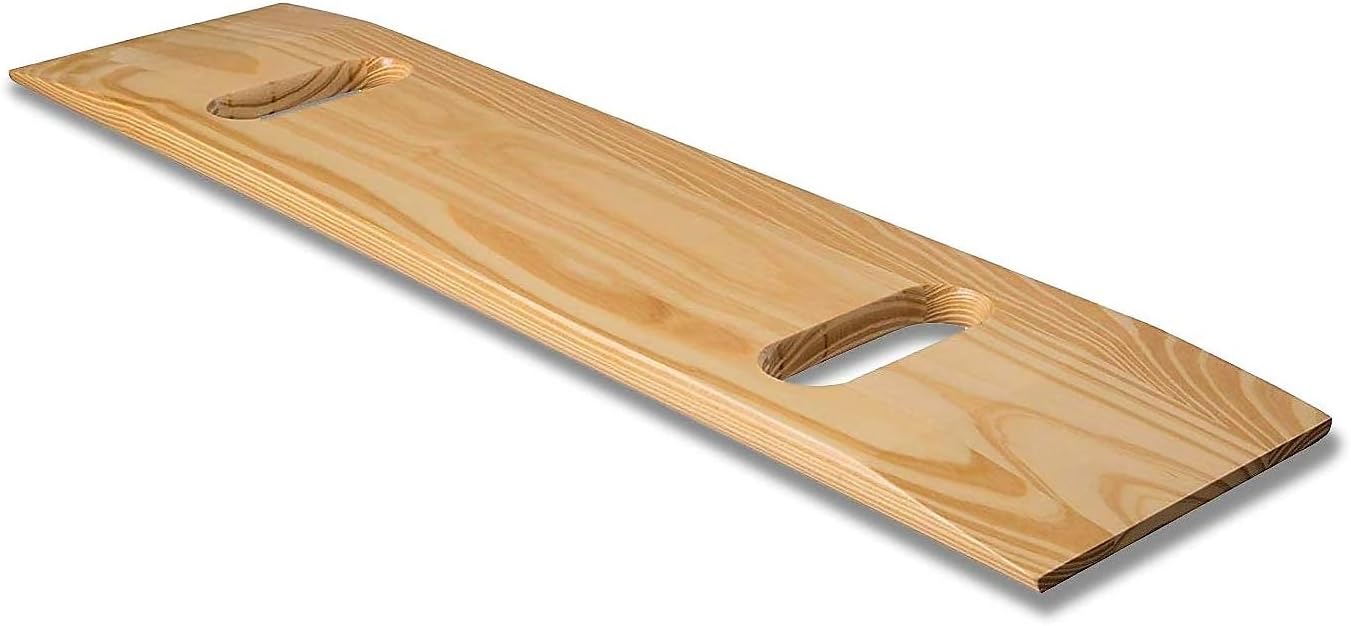
Support seated transfers when recommended by OT/PT.
Assists with seated transfers, making pivoting easier and reducing strain on users and caregivers.

Kit with a tube and medical information form, designed to be kept on a refrigerator for first responders.

Pre-cut tennis ball feet for standard walker legs (budget option).
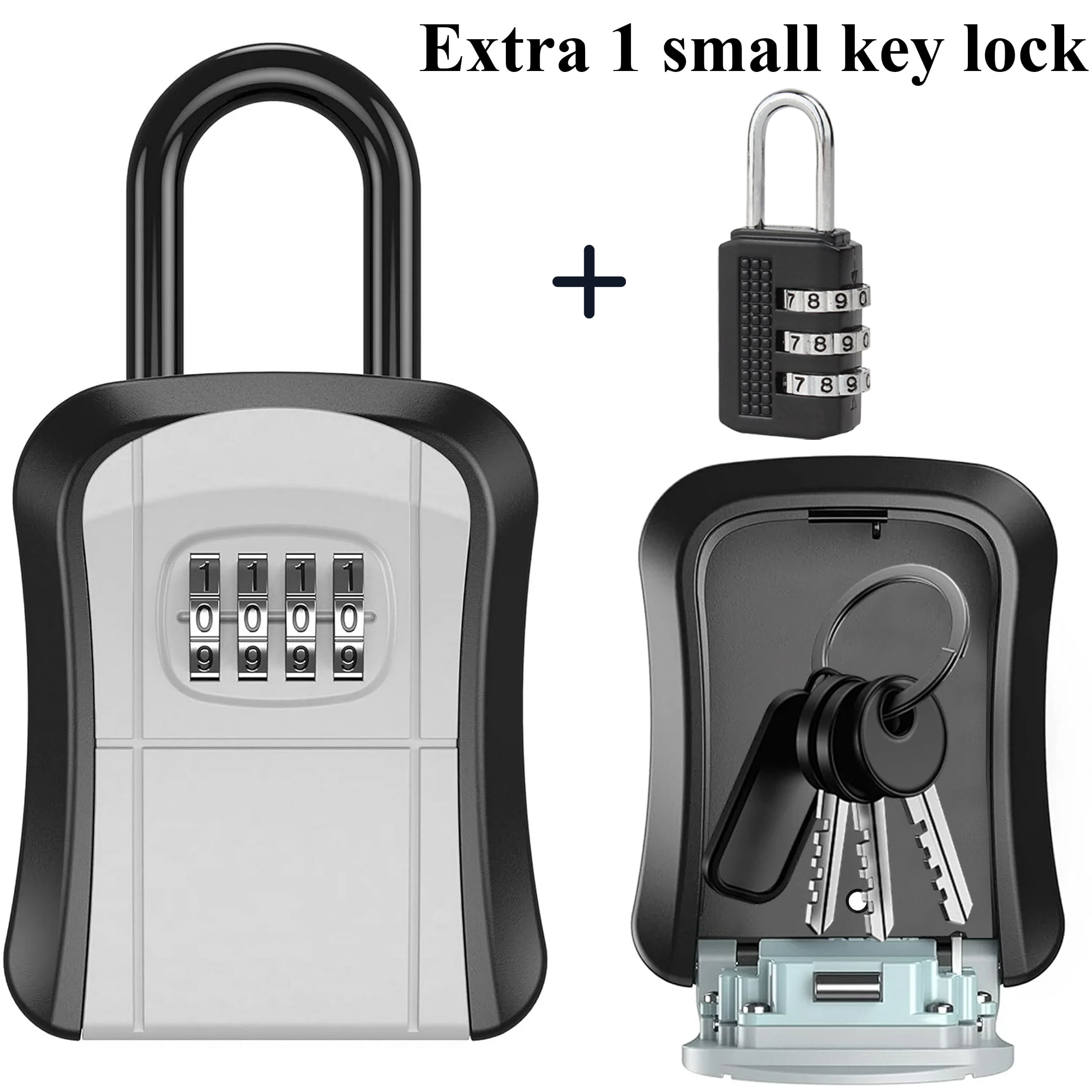
Wall-mounted lockbox with code shared with fire/EMS.

Keep emergency help reachable in bathroom and shower areas.
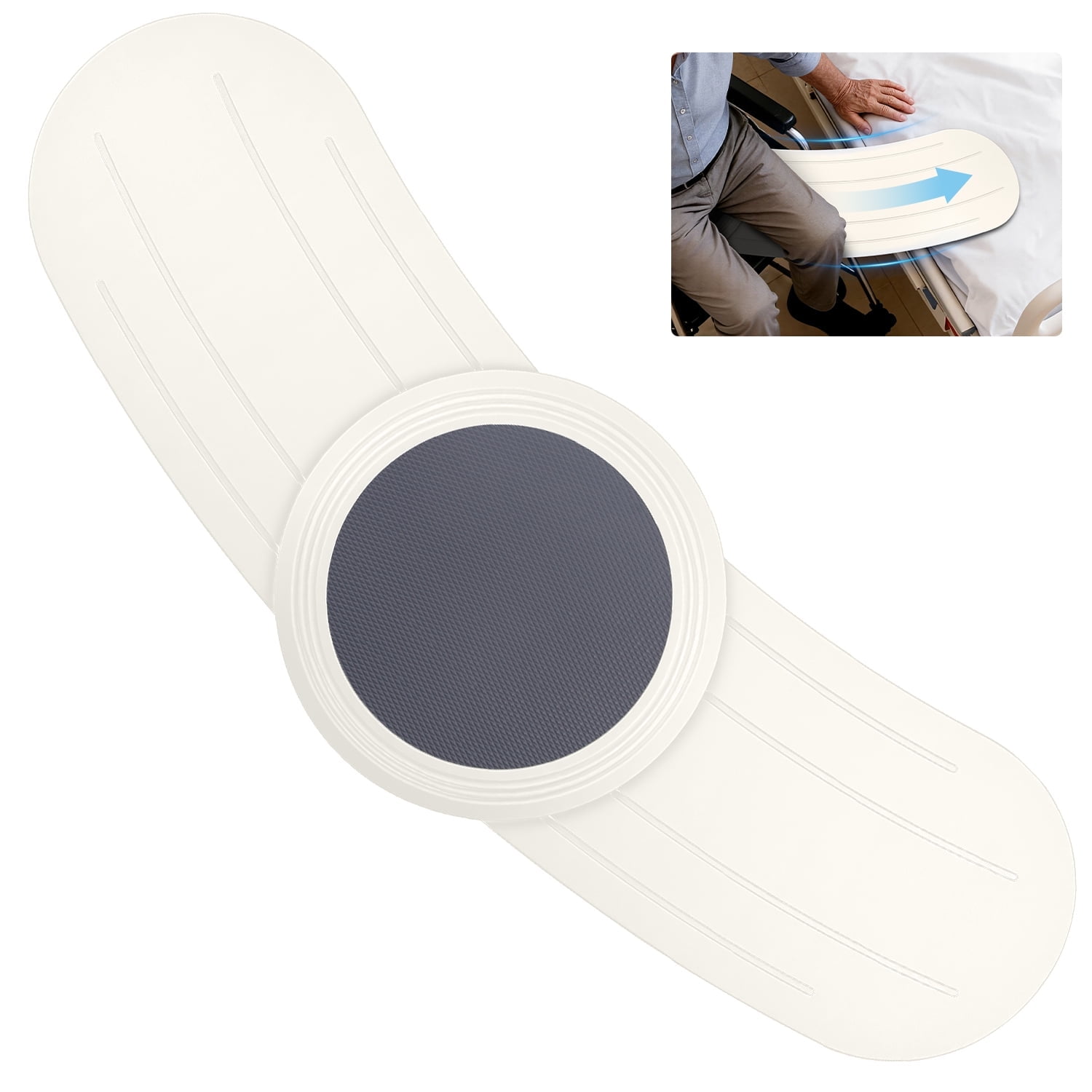
Support seated transfers with handholds when recommended by OT/PT.
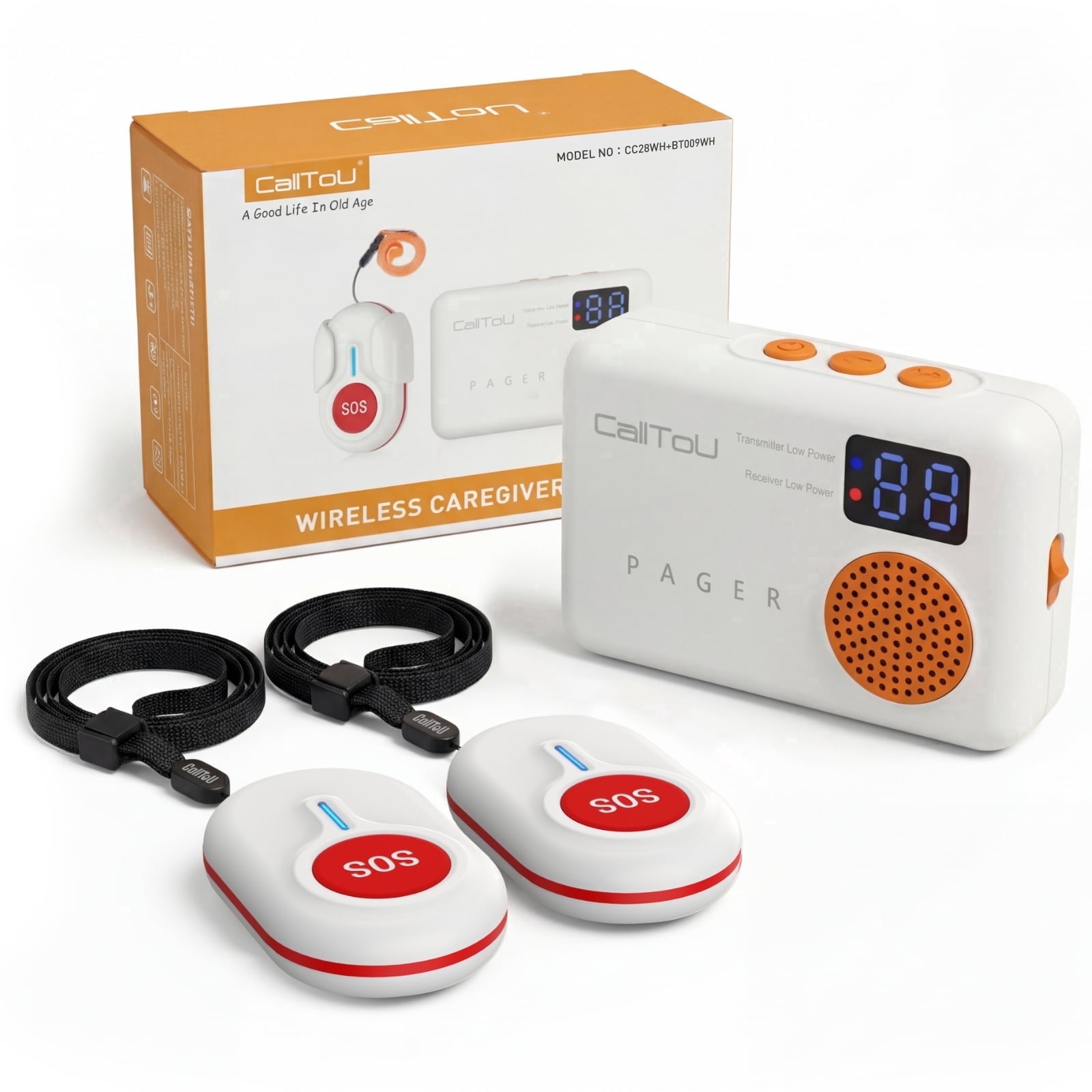
Provide a simple room-to-room call system for help requests.

Provide a bedside handhold for repositioning and bed transfers.

Peel-and-stick LED light strips for various indoor uses, often battery-operated with motion sensors for convenience.

Support for getting in/out of bed safely.

Closer toilet access at night — fewer falls during bathroom trips.
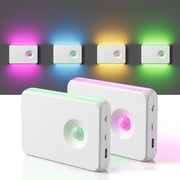
Light the first steps out of bed to reduce night fall risk.
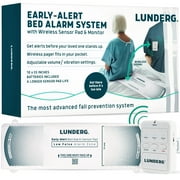
Notify caregivers when a high fall-risk user stands from a chair.
Soft, interlocking EVA foam tiles provide a cushioned surface for various home uses.
Add cushioning around bed rails when there is risk of bumping or entrapment concern.
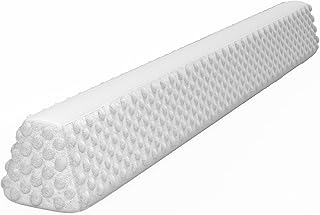
Use split foam tubes (like pool noodles) as budget edge padding for beds and furniture.

Runs head-to-foot to help prevent falls and provide steady support when repositioning or standing.

Helps caregivers steady transfers and walking — protects shoulder/hip.

Create a stable support path in a long hallway when clinically appropriate.
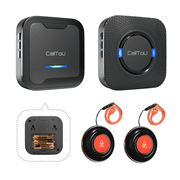
Wireless call button rings a portable receiver — no monthly service.
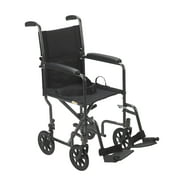
Easy to fold, lightweight for transport and outings.

Adds 3–5 in. height without armrests — pairs with wall rails or a safety frame.
Foam edge bolsters along the mattress side for rolling safety.

Automatic hallway and bathroom lighting at night.

Socks with rubberized treads on the soles to provide better traction and reduce the risk of slips and falls on hard or slippery indoor surfaces.

Automatically illuminates hallways and rooms, providing major fall prevention and easy navigation at night.
Higher seat with arm rests makes sit-to-stand much safer.
Adds 3–5 inches of height with arms to push up safely.

Stable seating during showering reduces falls.
Stable bathing seat with backrest and adjustable height.

Small rear wheels or bars — reduce backward tip when leaning or on ramps.