
Aphasia & communication
Speech boards, high-contrast tools, and caregiver communication aids.
Aphasia affects speaking, understanding, reading, or writing after stroke. These curated products support communication practice, daily messaging, and one-handed workarounds — always pair with a speech-language pathologist (SLP) for a home program.
Matches profile condition: aphasia
Clinical notes
- SLP-led practice is essential; tools supplement — not replace — therapy.
- Picture boards help when word-finding is hard.
- High-contrast keyboards and labels support reading/writing.
Matched products
Ranked by tags, categories, goals, and editor picks in conditions.json. Hover cards for full safety notes.
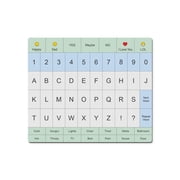
Laminated board with everyday needs to point to when words are hard.
Why matched (score 124)
- Editor pick for this condition
- Tag: aphasia
- Tag: communication
- Category: cognition communication
Picture-word cards for needs, pain, and daily tasks when speech is limited.
- Aphasia & communication
- Communication and thinking skills
Why matched (score 124)
- Editor pick for this condition
- Tag: aphasia
- Tag: communication
- Category: cognition communication
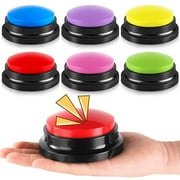
Two large buttons recordable with the survivor's voice.
Why matched (score 117)
- Editor pick for this condition
- Tag: aphasia
- Tag: communication
- Category: cognition communication
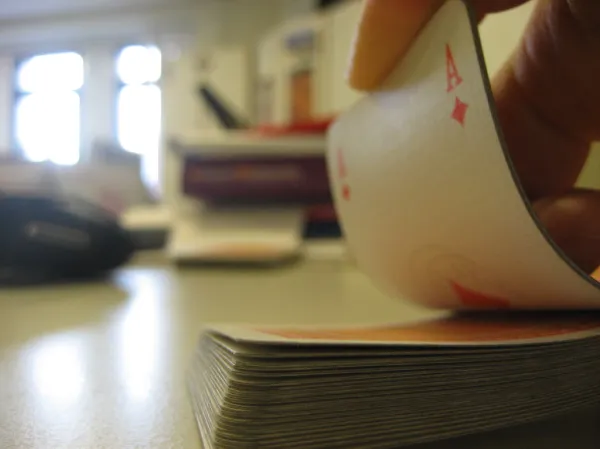
Oversized indices and high-contrast suits on standard poker-size cards.
- Aphasia & communication
- Vision changes after stroke
Why matched (score 116)
- Editor pick for this condition
- Mentions aphasia
- Mentions communication
- Category: cognition communication
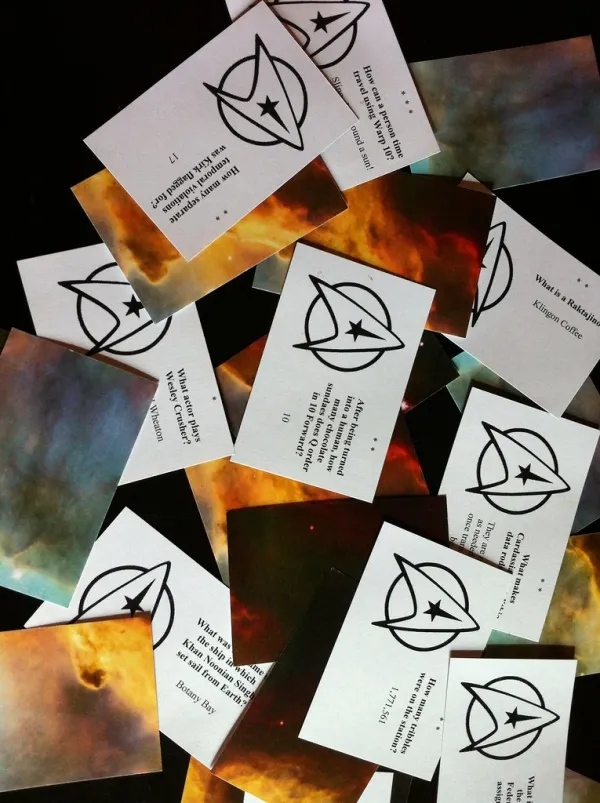
Deck of trivia prompts with large-print questions — no board required.
- Aphasia & communication
- Memory & cognition
Why matched (score 116)
- Editor pick for this condition
- Mentions aphasia
- Mentions communication
- Category: cognition communication
Triangular playing card holder that fans cards for easy viewing and reduced grip effort.
- Left-side weakness (hemiparesis)
- Right-side weakness (hemiparesis)
Why matched (score 112)
- Editor pick for this condition
- Mentions communication
- Category: cognition communication
- Recovery goal: improve cognition
Physical communication board for non-verbal communication, with an optional or integrated stand for stable use.
- Aphasia & communication
- Communication and thinking skills
Why matched (score 23)
- Tag: aphasia
- Tag: communication
- Category: cognition communication
- Recovery goal: improve cognition

Adjustable stand for tablet-based speech apps.
Why matched (score 21)
- Tag: aphasia
- Tag: communication
- Category: cognition communication
- Recovery goal: improve cognition
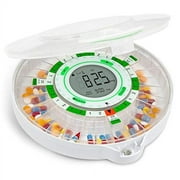
Voice alerts and pill organizer in one.
Why matched (score 14)
- Mentions communication
- Category: cognition communication
- Recovery goal: improve cognition
- Matches “speech”
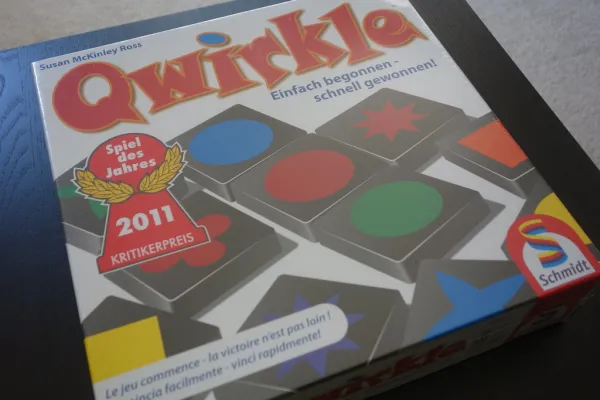
Tile-laying game matching colors and shapes — no reading required.
Why matched (score 14)
- Mentions communication
- Category: cognition communication
- Recovery goal: improve cognition
- Matches “language”
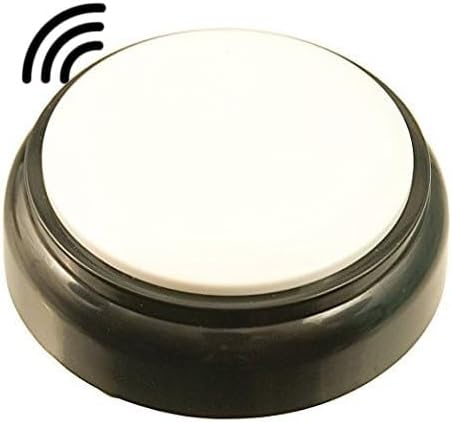
Support time awareness when vision or attention is limited.
Why matched (score 14)
- Mentions communication
- Category: cognition communication
- Recovery goal: improve cognition
- Matches “speech”
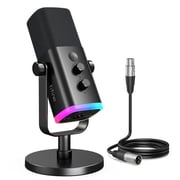
Hands-free voice typing for individuals who have limited keyboarding speed or prefer speaking over typing.
Why matched (score 14)
- Mentions aphasia
- Tag: communication
- Recovery goal: improve cognition
- Matches “speech”
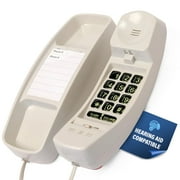
Photo-dial landline or cell — loud audio, simple interface.
Why matched (score 13)
- Tag: communication
- Category: cognition communication
- Recovery goal: improve cognition
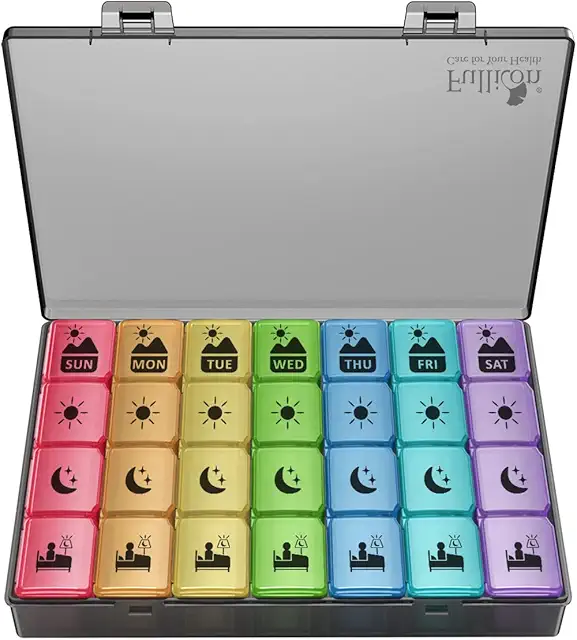
Organize medications for the entire week with separate compartments for morning and evening doses, helping to reduce missed or doubled doses.
Why matched (score 12)
- Mentions communication
- Category: cognition communication
- Recovery goal: improve cognition
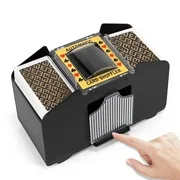
Battery-powered shuffler that mixes one or two decks at the push of a button.
- Left-side weakness (hemiparesis)
- Right-side weakness (hemiparesis)
Why matched (score 12)
- Mentions communication
- Category: cognition communication
- Recovery goal: improve cognition
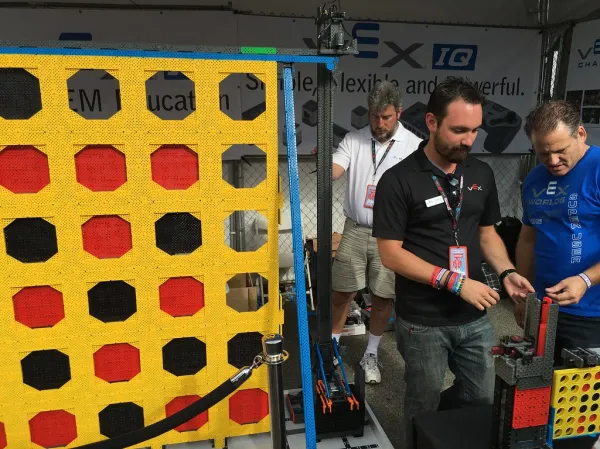
Oversized discs and vertical grid for active, floor, or tabletop play, offering a larger, more accessible game experience.
Why matched (score 12)
- Mentions communication
- Category: cognition communication
- Recovery goal: improve cognition
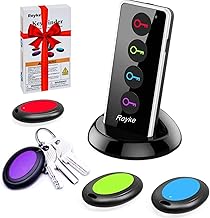
Locates misplaced keys or other important items using an audible signal or app.
Why matched (score 12)
- Mentions communication
- Category: cognition communication
- Recovery goal: improve cognition
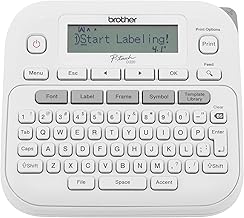
Label storage, medication areas, and safety zones clearly.
Why matched (score 12)
- Mentions communication
- Category: cognition communication
- Recovery goal: improve cognition
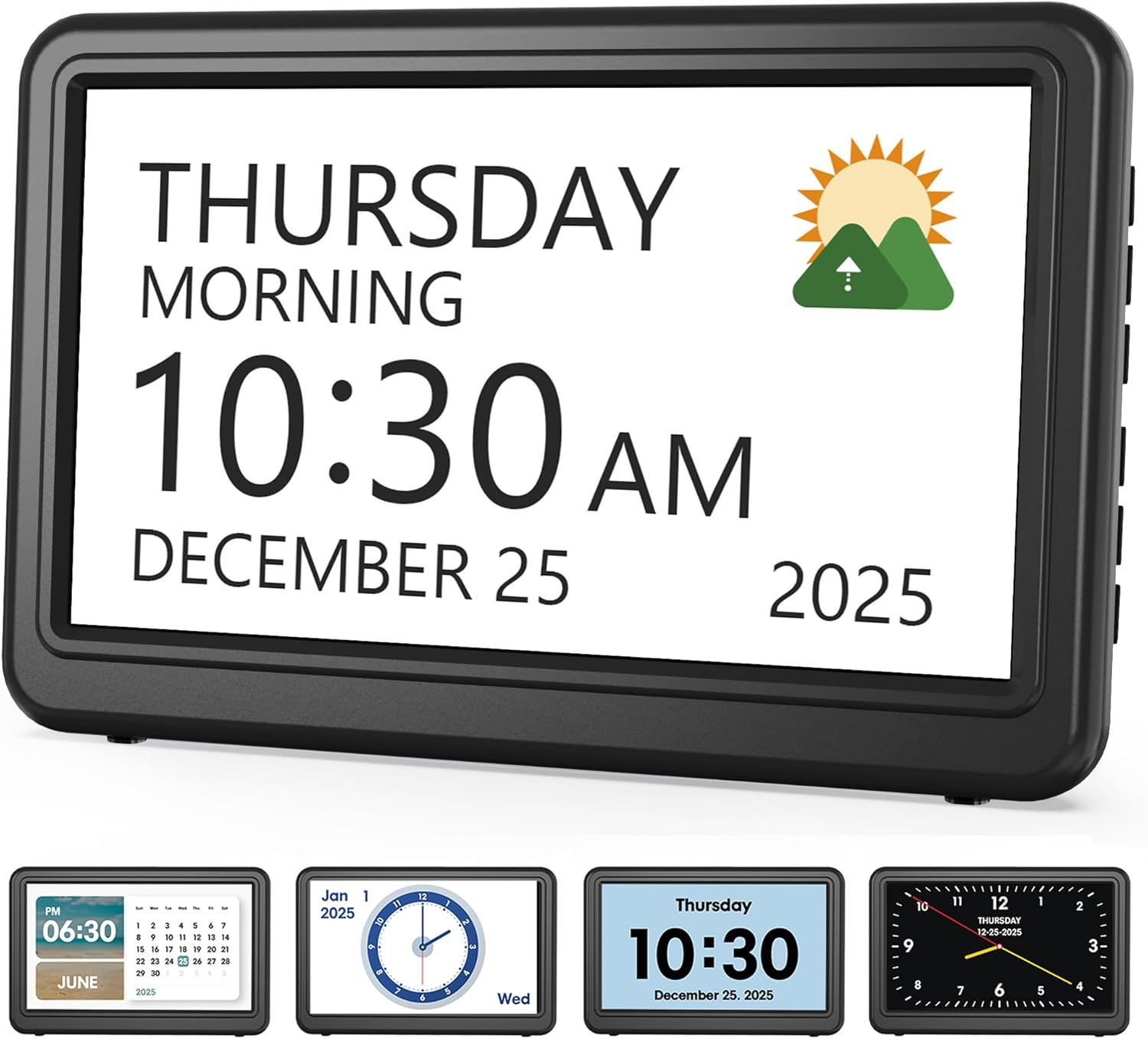
Support orientation for users with memory, attention, or vision changes.
Why matched (score 12)
- Mentions communication
- Category: cognition communication
- Recovery goal: improve cognition
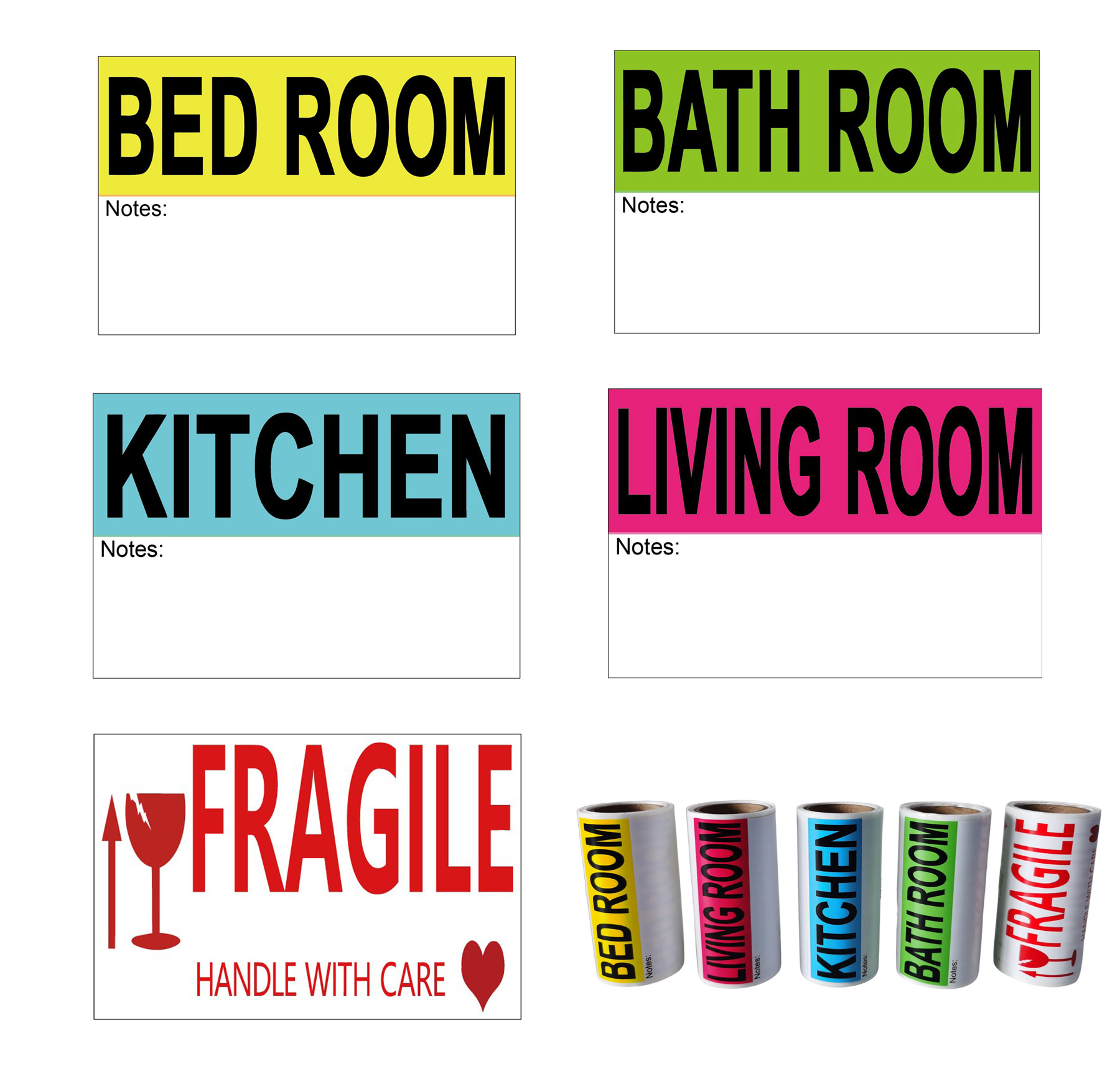
Improve object recognition and reduce searching for important items.
Why matched (score 12)
- Mentions communication
- Category: cognition communication
- Recovery goal: improve cognition
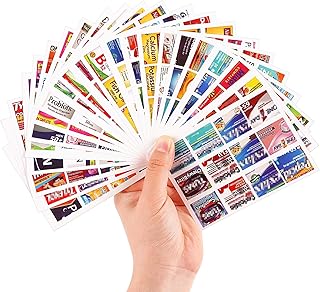
Labels with large, easy-to-read print for medication bottles and organizers, designed to help individuals with low vision or cognitive impairments manage their medications more easily.
Why matched (score 12)
- Mentions communication
- Category: cognition communication
- Recovery goal: improve cognition
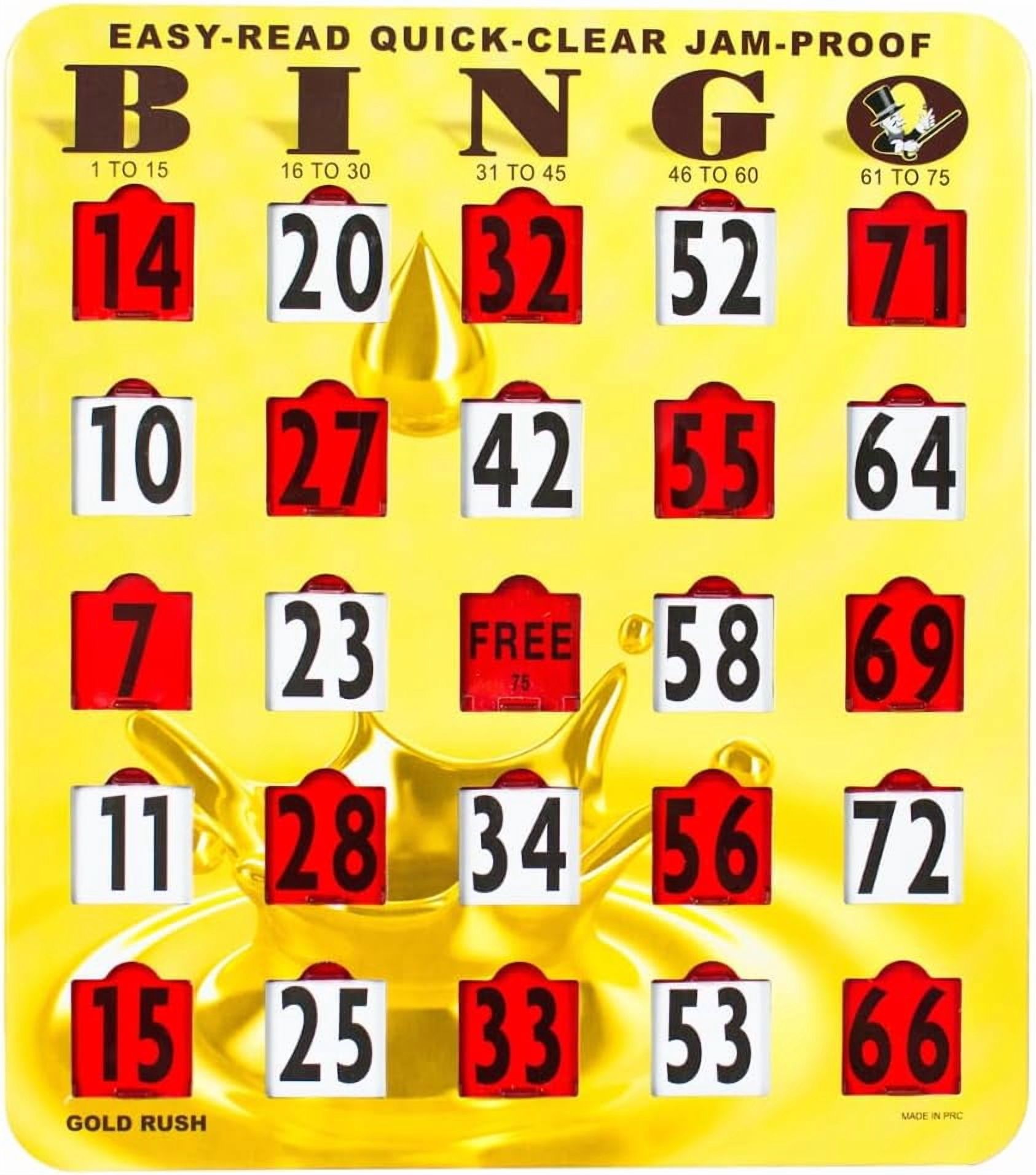
Bingo cards with bold numbers, reusable markers, and a caller board.
- Memory & cognition
- Communication and thinking skills
Why matched (score 12)
- Mentions communication
- Category: cognition communication
- Recovery goal: improve cognition
Oversized dominoes with bold pips and a heavier feel for tabletop play.
Why matched (score 12)
- Mentions communication
- Category: cognition communication
- Recovery goal: improve cognition
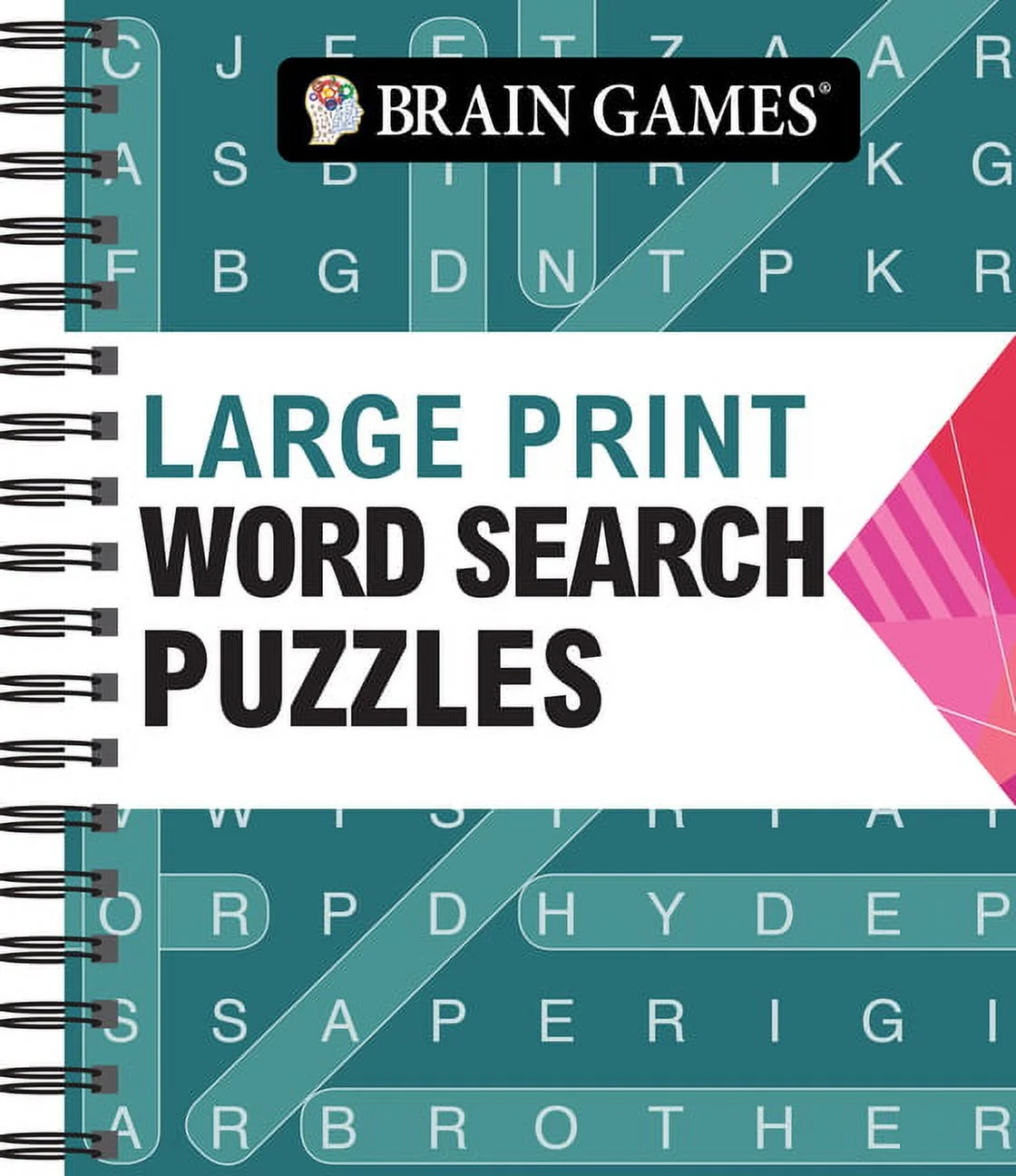
Spiral-bound word searches with bold grids and generous spacing for solo practice.
- Memory & cognition
- Vision changes after stroke
Why matched (score 12)
- Mentions communication
- Category: cognition communication
- Recovery goal: improve cognition
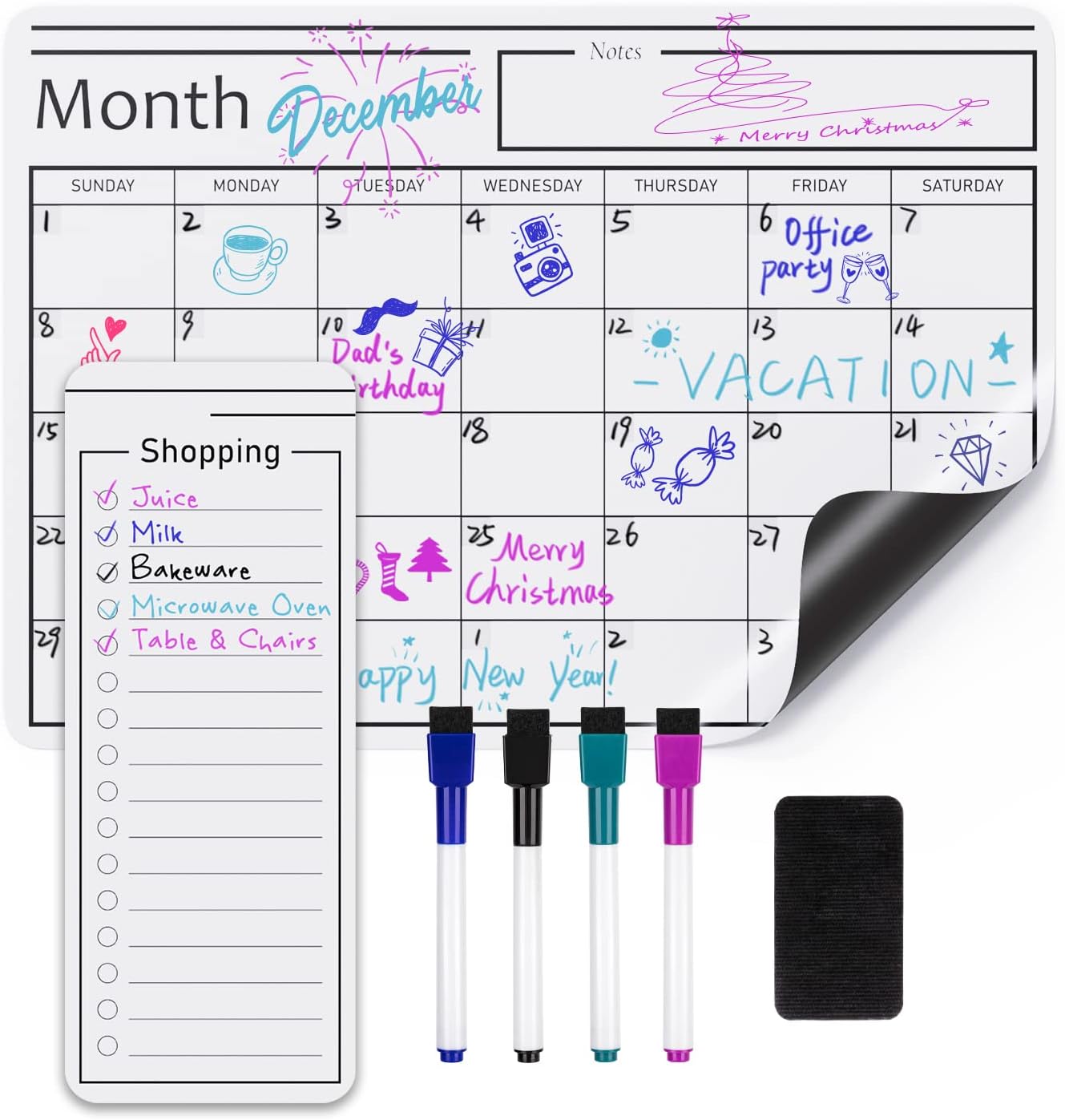
A reusable magnetic whiteboard for planning and scheduling. Can be used on refrigerators or other magnetic surfaces.
Why matched (score 12)
- Mentions communication
- Category: cognition communication
- Recovery goal: improve cognition
Provide day, date, and time cues for users with cognitive concerns.
Why matched (score 12)
- Mentions communication
- Category: cognition communication
- Recovery goal: improve cognition
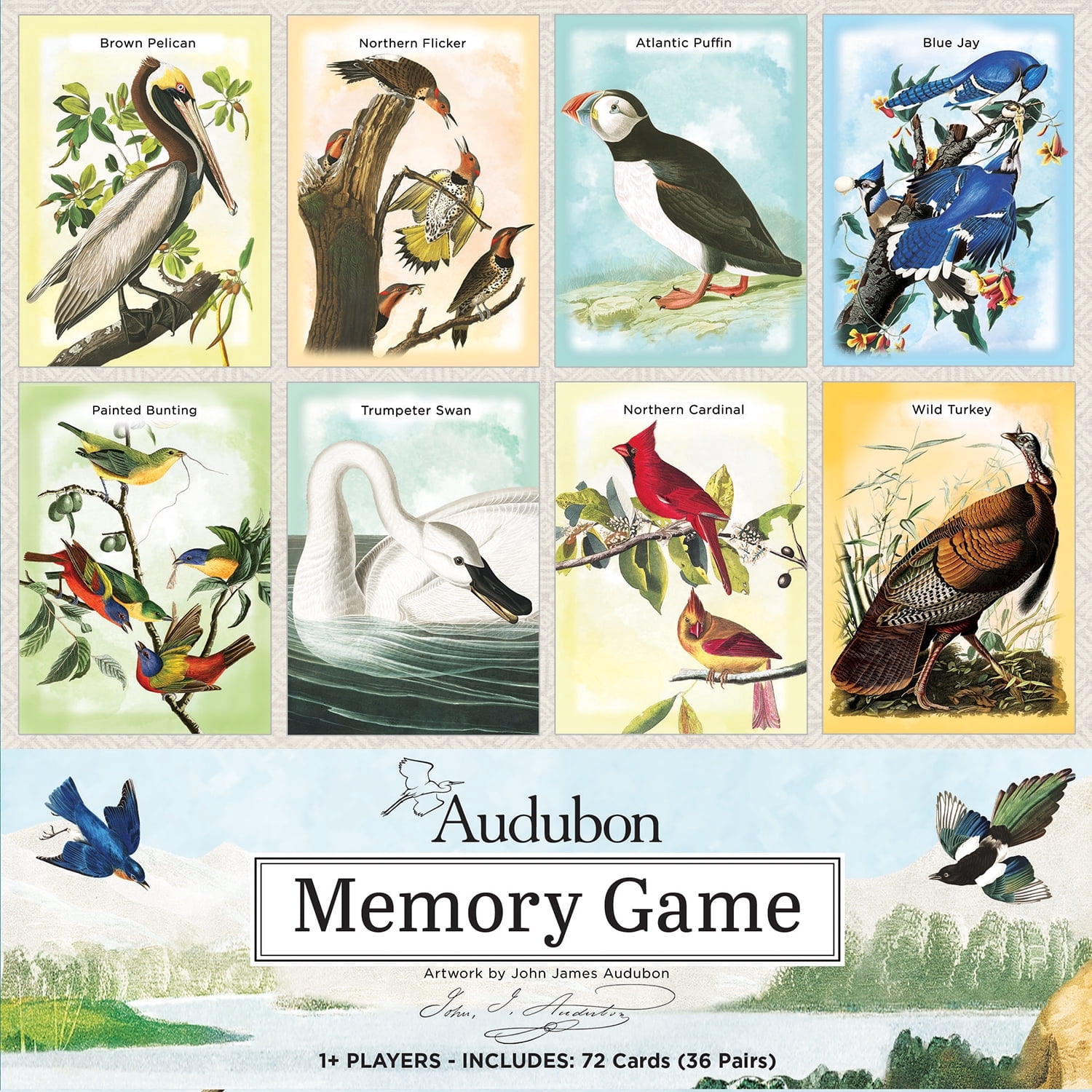
Thick tile pairs with familiar images — flip two at a time to find matches.
- Memory & cognition
- Communication and thinking skills
Why matched (score 12)
- Mentions communication
- Category: cognition communication
- Recovery goal: improve cognition
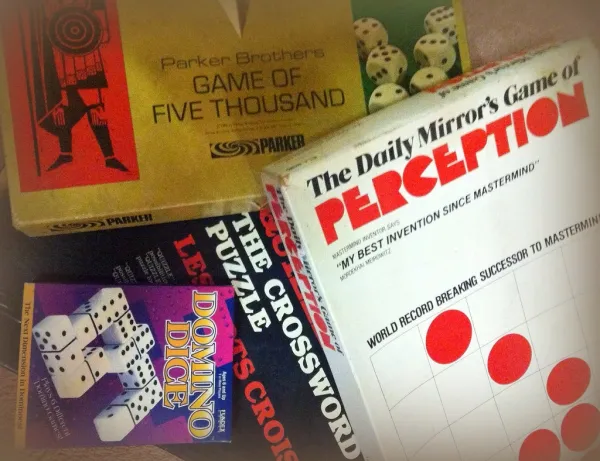
Place chips on a board to build rows of five using cards from your hand.
Why matched (score 12)
- Mentions communication
- Category: cognition communication
- Recovery goal: improve cognition
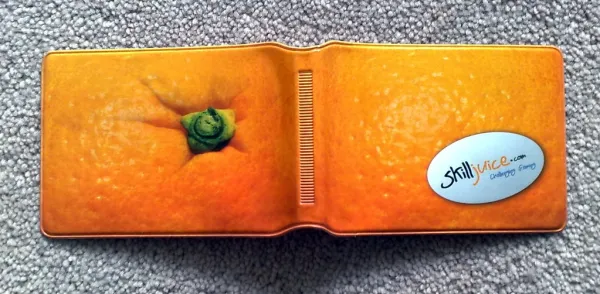
Freestanding rack that holds each player's cards so hands stay free at the table.
- Left-side weakness (hemiparesis)
- Right-side weakness (hemiparesis)
Why matched (score 12)
- Mentions communication
- Category: cognition communication
- Recovery goal: improve cognition
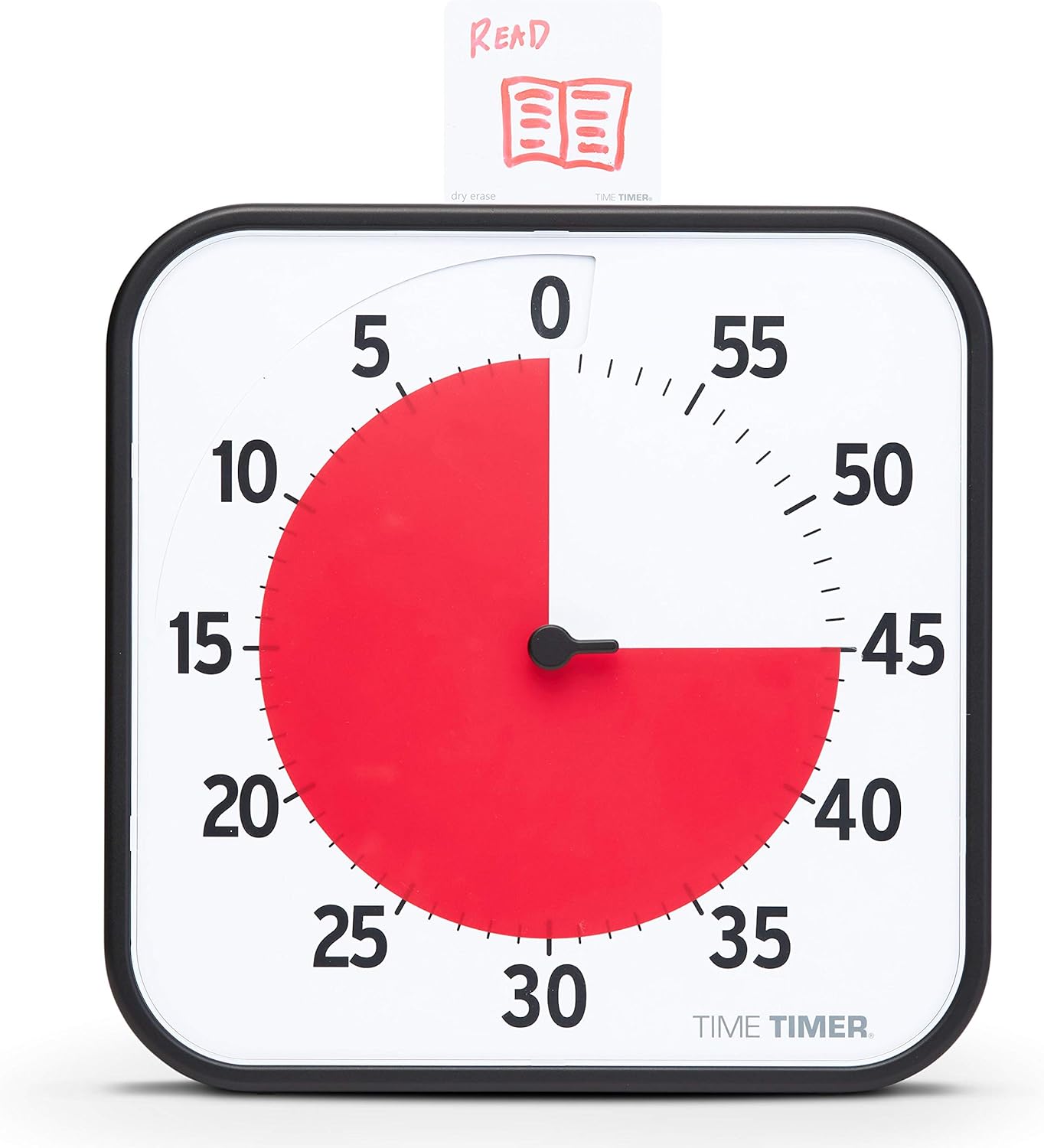
A visual timer with a large display for therapy timing, cognitive support, cooking, or managing breaks.
Why matched (score 12)
- Mentions communication
- Category: cognition communication
- Recovery goal: improve cognition
Timed slots release pills — alarm reminds dose; locked until scheduled.
Why matched (score 11)
- Mentions communication
- Category: cognition communication
- Recovery goal: improve cognition
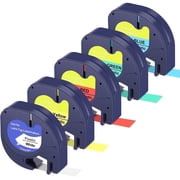
Distinguish items or areas with easily recognizable colored tape.
Why matched (score 11)
- Mentions communication
- Category: cognition communication
- Recovery goal: improve cognition
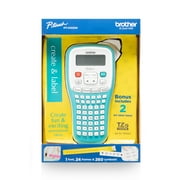
Label drawers, meds, supplies clearly.
Why matched (score 11)
- Mentions communication
- Category: cognition communication
- Recovery goal: improve cognition
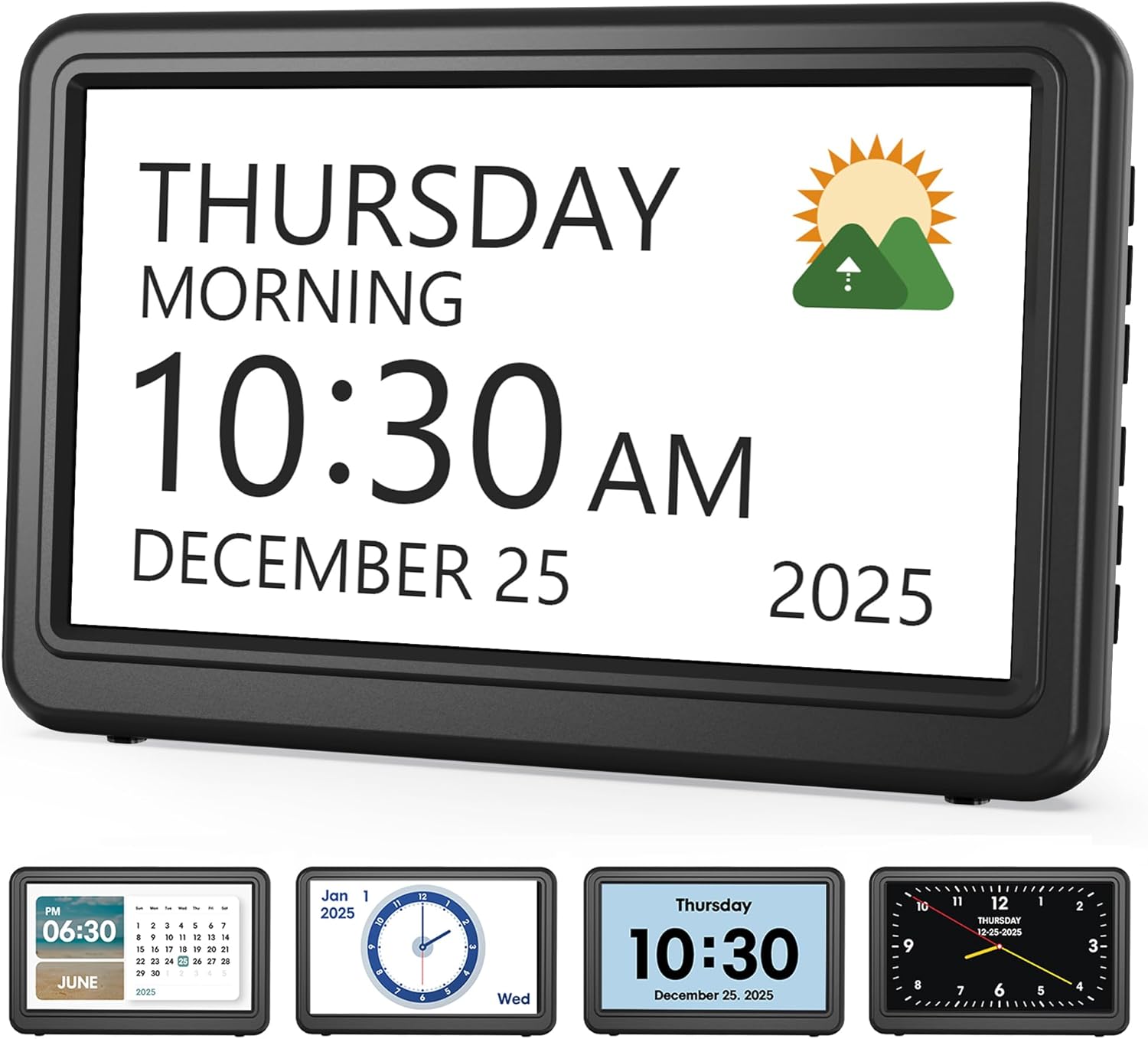
Clear day, date, time — reduces disorientation.
Why matched (score 11)
- Mentions communication
- Category: cognition communication
- Recovery goal: improve cognition
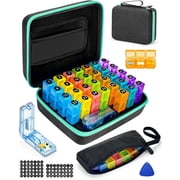
Locked weekly pill organizer — caregiver fills, survivor opens one slot at a time.
- Memory & cognition
- Communication and thinking skills
Why matched (score 11)
- Mentions communication
- Category: cognition communication
- Recovery goal: improve cognition
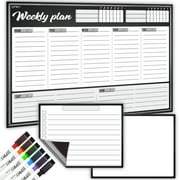
Magnetic whiteboard to organize tasks and schedules weekly.
Why matched (score 11)
- Mentions communication
- Category: cognition communication
- Recovery goal: improve cognition
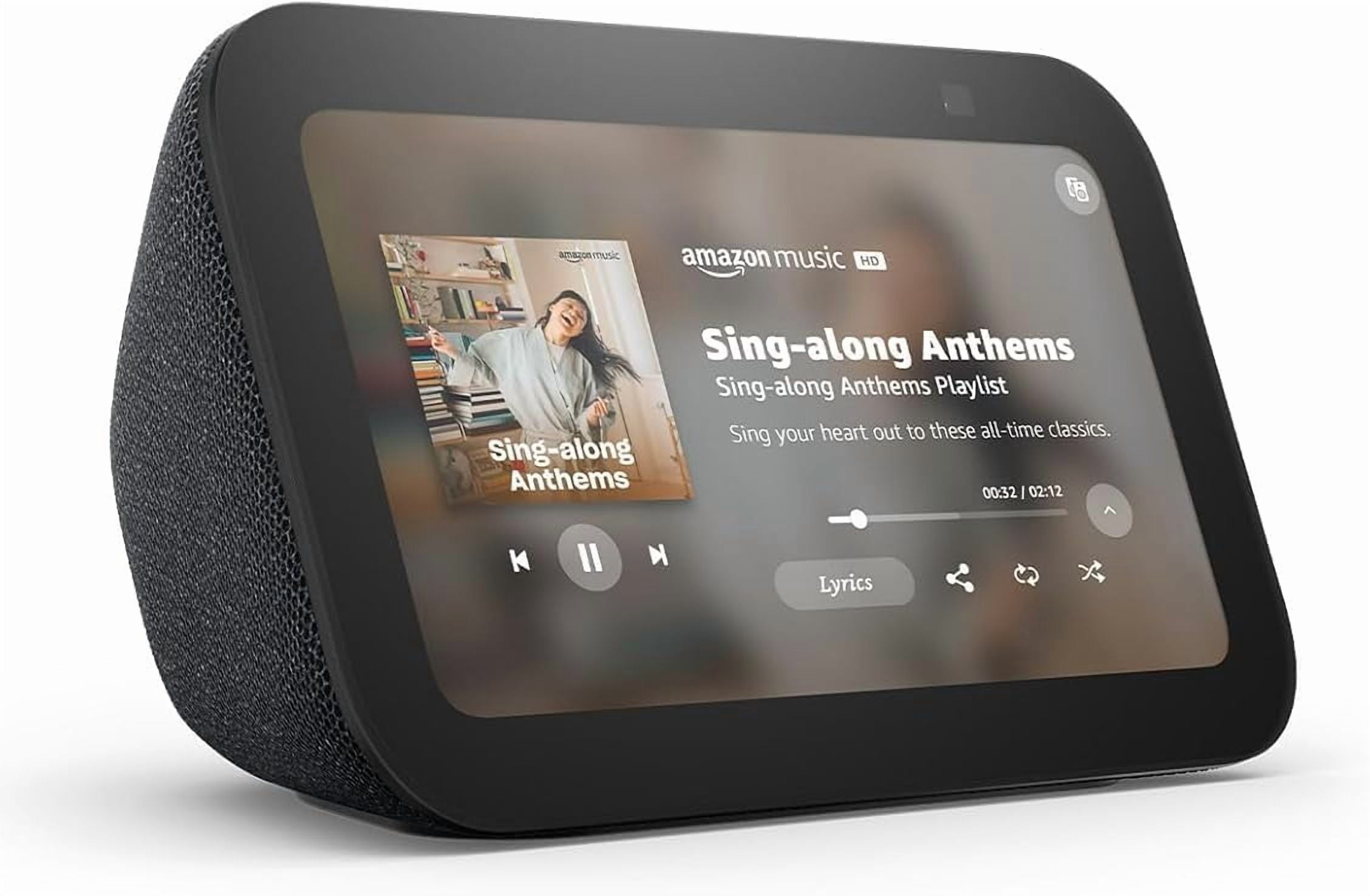
Voice reminders, calls, lights — hands-free.
Why matched (score 11)
- Mentions communication
- Category: cognition communication
- Recovery goal: improve cognition
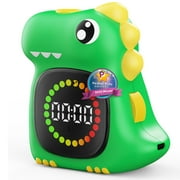
See time remaining at a glance.
Why matched (score 11)
- Mentions communication
- Category: cognition communication
- Recovery goal: improve cognition
High-quality mic for voice-to-text writing.
Why matched (score 10)
- Tag: aphasia
- Recovery goal: improve cognition

Keep phone in reach, hands-free.
Why matched (score 9)
- Tag: communication
- Category: cognition communication

Clip or watch tracker with app map — for confusion, aphasia, or exit-seeking.
Why matched (score 8)
- Mentions aphasia
- Recovery goal: improve cognition

High-contrast keys help people with low vision.
Why matched (score 8)
- Mentions aphasia
- Recovery goal: improve cognition
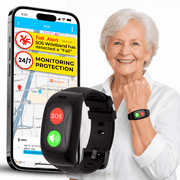
Alexa or Google Home — call contacts or emergency by voice if hands are busy.
Why matched (score 8)
- Tag: communication
- Recovery goal: improve cognition
Simple daily planner worksheet to help manage fatigue through pacing. Includes sections for rest breaks, medications, and rehabilitation activities.
- Post-stroke fatigue
- Rest and energy management
Why matched (score 7)
- Mentions communication
- Category: cognition communication
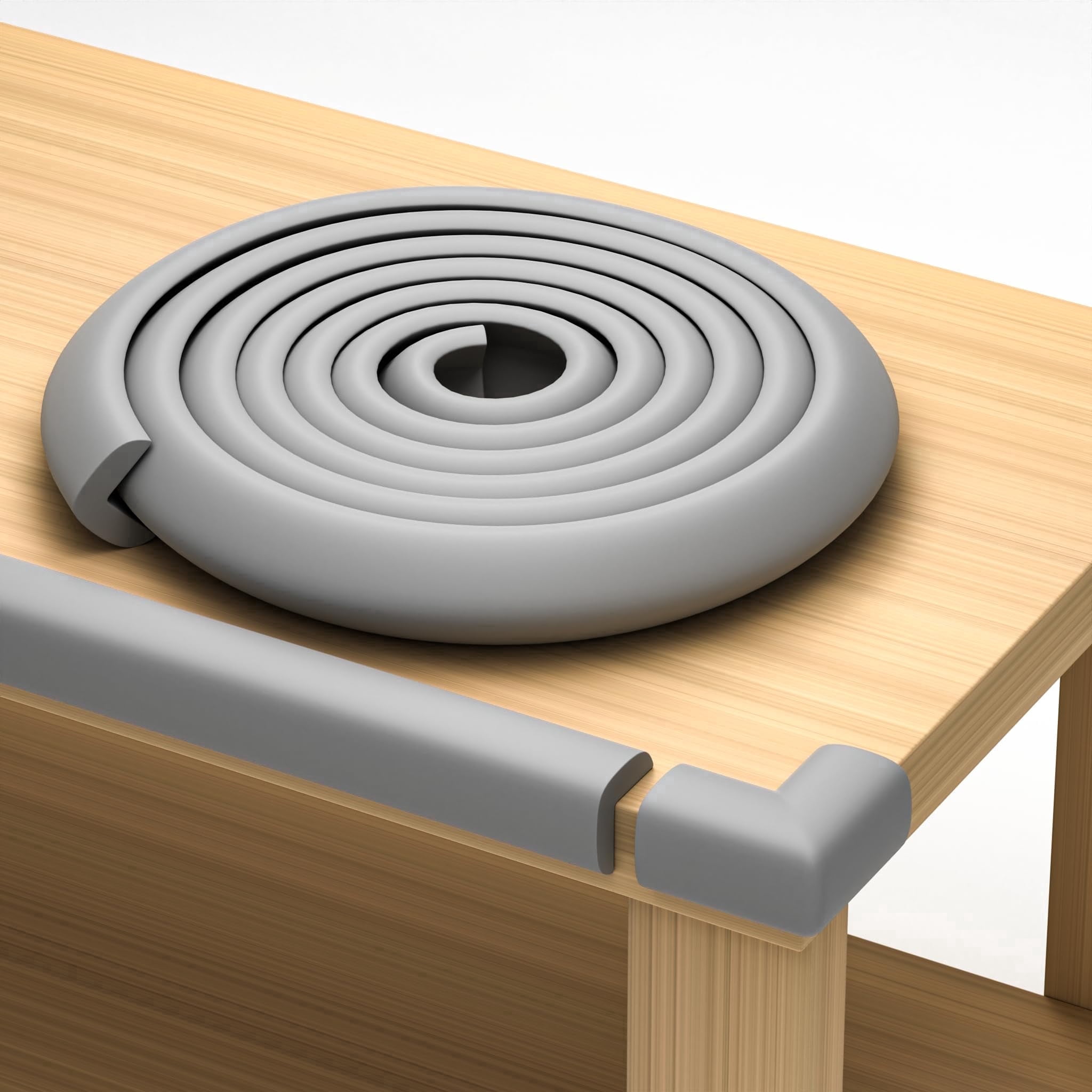
Adhesive foam tape for sharp table, desk, or counter edges.
Why matched (score 6)
- Recovery goal: improve cognition
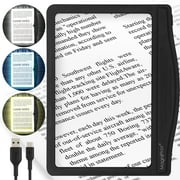
Hands-free magnification with bright LED — easier for reading after vision changes.
Why matched (score 5)
- Recovery goal: improve cognition
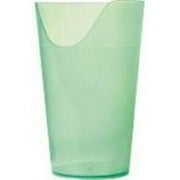
Cup with nose cut-out — drink without tipping your head back as far.
- Swallowing changes (dysphagia)
- Communication and thinking skills
Why matched (score 5)
- Recovery goal: improve cognition
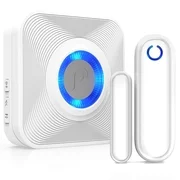
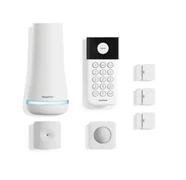
Wireless sensors chime when doors or windows open.
Why matched (score 5)
- Recovery goal: improve cognition
Loud alarm on exterior doors when opened — caregiver alert.
Why matched (score 5)
- Recovery goal: improve cognition
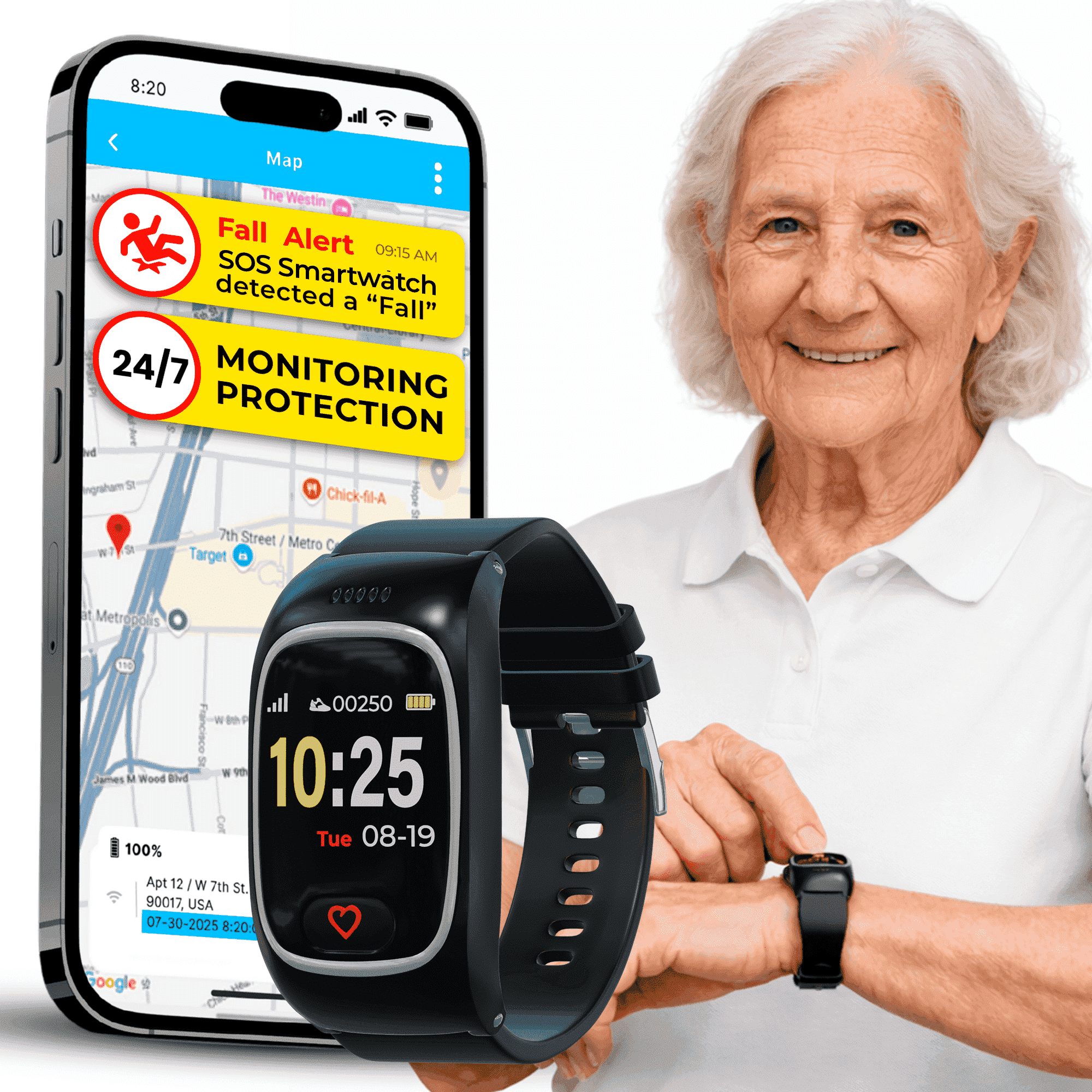
Base unit with pill reminders plus emergency button integration.
Why matched (score 5)
- Recovery goal: improve cognition
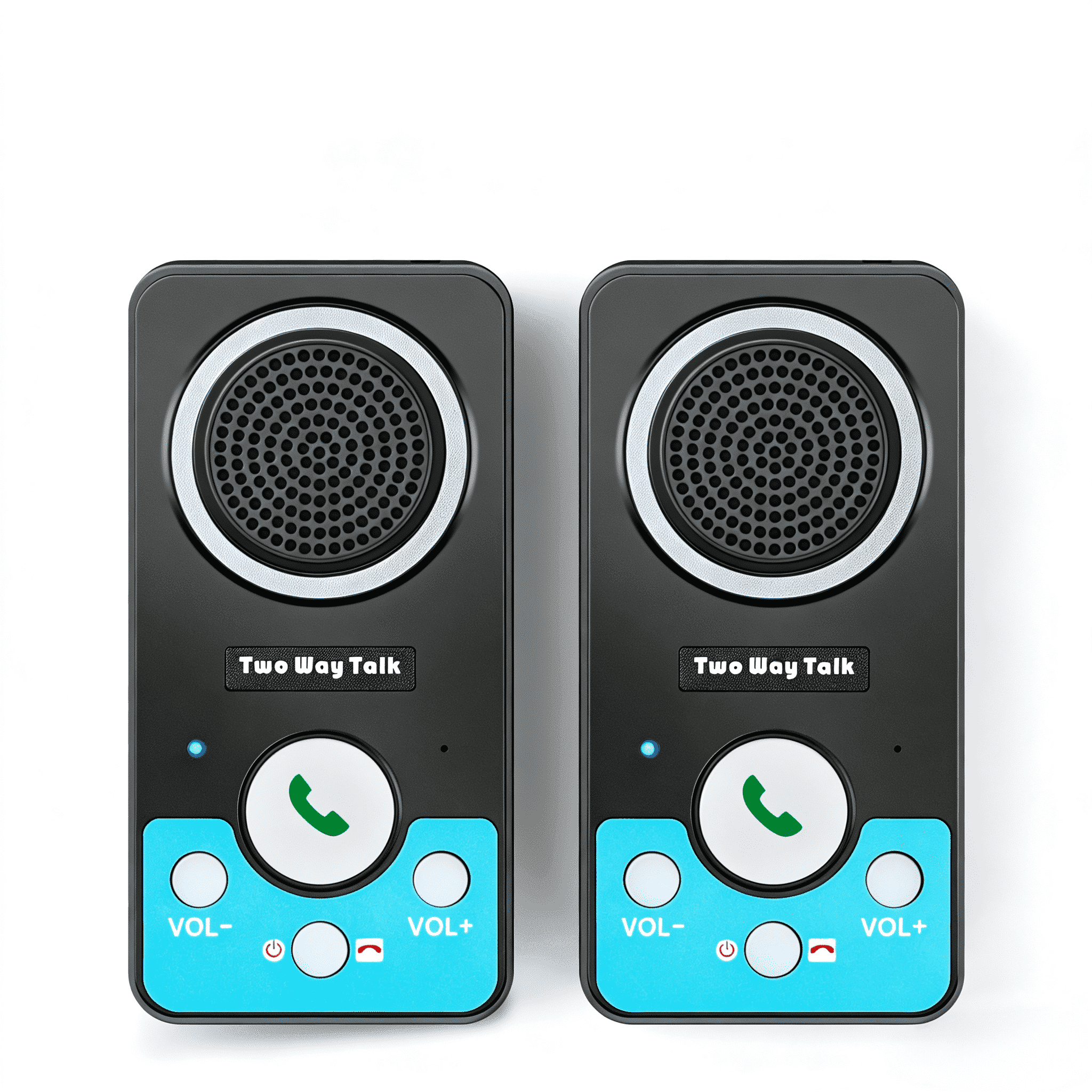
Room-to-room voice intercom — call family without climbing stairs.
Why matched (score 5)
- Tag: communication
Hands-free reading light.
Why matched (score 4)
- Recovery goal: improve cognition

Holds papers at eye level beside monitor — less looking down.
Why matched (score 4)
- Recovery goal: improve cognition
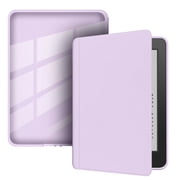
Adjustable text size and warm front-light — gentler for tired eyes.
Why matched (score 4)
- Recovery goal: improve cognition
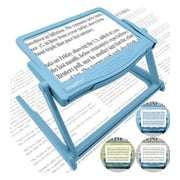
Large-area magnification for reading.
Why matched (score 4)
- Recovery goal: improve cognition
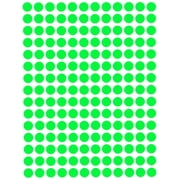
Raised, high-contrast labels for appliances, electronics, and daily items — easier low-vision identification by touch or sight.
- Vision changes after stroke
- Reducing fall risk at home
Why matched (score 4)
- Recovery goal: improve cognition

Gooseneck magnifier with light — mail, meds, and phone under enlargement.
Why matched (score 4)
- Recovery goal: improve cognition
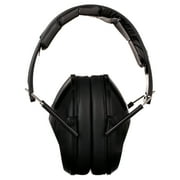
Reduce overstimulation and fatigue.
Why matched (score 4)
- Recovery goal: improve cognition
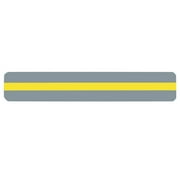
Colored overlay or window keeps the reader on the right line.
Why matched (score 4)
- Recovery goal: improve cognition
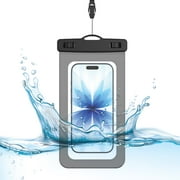
Protect your phone from water, sand, and dirt during outdoor activities.
Why matched (score 4)
- Tag: communication

Sensors call for help if a hard fall is detected — even if you cannot press.
Why matched (score 3)
- Matches “speech”
Common questions
- Can aphasia improve after stroke?
- Many people improve with intensive speech therapy, especially in the first months. Tools here support daily communication while you work with an SLP.